


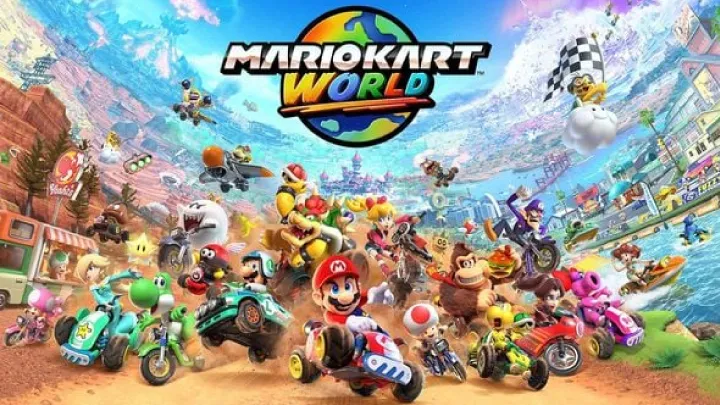
Mario Kart World continues the long-standing legacy of the beloved Mario Kart franchise, bringing iconic characters and exhilarating racing gameplay to mobile devices. Players globally compete in vibrant races filled with power-ups, speed boosts, and signature tracks. A core aspect of Mario Kart gameplay is the item system, which provides both a strategic layer and a source of controversy. This article dives into the dynamics of item distribution in Mario Kart World, examining how it creates competitive balance, impacts player experiences, and influences the game’s overall fairness.
The Essence of Mario Kart World
Gameplay Overview
Mario Kart World retains the charming and chaotic gameplay that the series is known for. Players race against friends and competitors from around the world, utilizing a variety of items to hinder opponents or gain advantages during races. The goal remains consistent: crossing the finish line first while navigating unpredictable track hazards and utilizing items strategically.
Characters and Vehicles
The game features a variety of beloved characters from the Mario universe, each with unique attributes that can influence gameplay. Players can also customize karts, selecting different vehicles and gliders that offer distinct advantages and abilities. This customization introduces an additional layer of strategy, as players must consider the synergy between characters and vehicle choices.
The Importance of the Item System
Item Mechanics Explained
Central to the Mario Kart experience is the item system, which empowers players to influence the course of races dramatically. Players can collect items by driving through item boxes, leading to potential advantages against opponents. These items range from speed boosts (like mushrooms) to offensive options (like shells or bombs) that can be used to thwart other racers.
The Balance of Power
The items introduce a balance of power, making it possible for players at the back of the pack to catch up to leaders. This mechanic makes the racing dynamic and unpredictable, enhancing excitement and ensuring players remain engaged until the final moments of every race. However, this balance can also lead to imbalances that warrant closer examination.
The Controversial Nature of Item Distribution
Item Rarity and Competitive Balance
One significant issue in Mario Kart World is the distribution and rarity of items during races. The type of item players receive can significantly influence a race's outcome. For instance, players in the lead may often receive defensive items, while those lagging behind might be favored with offensive items, allowing them to attack and potentially alter the race's dynamics.
Perceived Fairness
This system raises questions about fairness. Players may feel frustrated if they consistently receive less advantageous items, leading to perceptions of favoritism or randomness that undermine the competitive nature of racing. An examination of how item balance affects player satisfaction is vital, as it can significantly impact enjoyment and overall engagement with the game.
The Role of Skill Versus Luck
Skill-Based Game Mechanics
While Mario Kart World emphasizes luck through item distribution, skill remains an essential component of gameplay. Experienced players can navigate circuits, drift through corners, and determine the best moments to employ items effectively. The balance between skill and luck is what sets Mario Kart apart; it’s not just about the item itself but how well players utilize it.
The Luck Factor
However, the reliance on luck through item distribution can foster frustration, particularly among competitive players. Matches may feel less like a reflection of racing skill and more like a chance roll, particularly when race outcomes hinge on the items drawn in the final seconds. This aspect can lead to a lack of trust in the competitive system, as players may feel that their skill is undermined by chance.
Reviewing Item Yielding Methods
Standard Item Allocation
Mario Kart World follows a traditional item allocation system seen in previous games, where players receive items based on their position in the race. This method has its benefits, providing excitement and twists, but it can lead to imbalances.
Items for Lower Placements
For players finishing in the last positions, the game often offers stronger items to foster competition. While this keeps races interesting, it also creates scenarios where players in the lead are continually under siege, which may lead skilled racers to feel disincentivized by continuous assaults.
Randomized Item Distribution
Introducing a randomized item distribution system, where items are allocated independently of player position, could add a new layer of strategy. This method could prevent top players from consistently receiving defensive items and offers dynamic challenges across the board.
Addressing Item Balance Through Updates
Developer Responses to Player Feedback
The developers of Mario Kart World actively monitor player feedback regarding item balance. They often release updates aimed at refining item distribution mechanics to ensure a competitive and enjoyable experience for all players. Addressing concerns about item favoritism is an ongoing commitment.
Implementing Changes
Changes to item balance might include adjusting the effectiveness of items or altering how often certain items appear based on player position. These adjustments can lead to a more level playing field, but the challenge remains in finding the right balance that promotes excitement without alienating skilled players.
The Impact of Multiplayer Dynamics
Social Interaction and Item Use
The multiplayer aspect of Mario Kart World injects a social dimension into item use. Players communicate and strategize in real-time, making decisions about when to deploy items or defend against various threats. This interaction can either enhance gameplay or create tensions, depending on how well the underlying mechanics are perceived.
Collaborative versus Competitive Play
Cooperative play in racing can also influence item strategies. Players may choose to work together, sharing defensive items to help one another, or engage in traditional competitive play by launching attacks against rivals. This variability in gameplay emphasizes the importance of item balance and its broader social implications.
Future Directions for Item Management
Expanding Item Types
Mario Kart World could benefit from introducing new item types or modifiers that can further enhance gameplay and strategic depth. Unique items can offer more options for players to utilize in both offense and defense, creating richer racing experiences.
Developing Alternative Events
Beyond standard races, introducing special events focusing on item utilization and strategy could add variety. For instance, races might feature exclusive rules regarding item use, turning traditional racing into entirely new challenges and experiences.
Conclusion
Mario Kart World masterfully blends iconic racing mechanics with the thrill of competition, yet the ongoing challenges surrounding item distribution present opportunities for enhancing player experiences. Balancing the impact of luck, skill, and strategic item use is vital in maintaining fairness and enjoyment within the game. Through continuous updates, player feedback, and innovative changes, Mario Kart World can evolve to create a rich competitive landscape that appeals to both casual and hardcore racers alike. As players embrace the spirit of racing, they’re not just competing—they’re navigating a dynamic environment defined by choices, challenges, and most importantly, the items that can turn the tide of any race.