




Introduction
Mastering the early-game planting strategy in Grow a Garden is essential for building a thriving, profitable, and scalable garden that sets you up for long-term success. Many players underestimate how crucial the first hour of gameplay is, and as a result they progress slower, earn less, and struggle with resource management. This comprehensive guide will walk you through every early-game decision you should make—from choosing the right seeds to setting up your layout, optimizing water usage, and avoiding traps that new players commonly fall into. By following this strategy, you will not only progress faster but also gain a stable foundation that makes mid-game and late-game gardening significantly easier.
1. Understanding the Early-Game Economy

The early-game economy revolves around three fundamental elements: seed cost, growth time, and yield value. These three pillars determine whether your early decisions create a positive snowball effect or trap you in a slow cycle of low profit and constant replanting. Seed cost matters because you need to maintain enough coins to expand your garden. Growth time determines how fast you can re-harvest for profit, and yield value directly affects your income per cycle.
Early players often make the mistake of investing in high-cost seeds with slow maturity rates. While these seeds may look attractive due to their high yields, they can cripple early progression because you end up waiting too long for returns. Instead, the goal is to create a rapid economic loop that lets you harvest frequently, reinvest quickly, and expand steadily. Understanding this economy is the first key step to early-game success.
2. Choosing the Best Early-Game Seeds
Selecting the right seeds is one of the most important early-game decisions. The best strategy is to prioritize seeds with fast grow times, low costs, and reliable yields. These seeds may not always produce the highest profits per harvest, but their speed allows them to outperform slower plants through repeated cycles.
Fast-growing seeds create consistent income and allow you to maintain momentum. They are especially important because your early-game tools, watering capacity, and energy are limited. The ideal early-game seeds provide minimal risk, fast rewards, and predictable growth patterns. As you accumulate more resources, you can transition into higher-value crops, but consistency is king during your first hours of gameplay.
3. Designing a Simple but Efficient Layout
A clean garden layout is essential. Early players often underestimate how layout affects efficiency, but movement between crops adds up quickly. If your layout is messy, you waste time walking around, misclicking, or ignoring plants that need immediate attention. The ideal early layout is a tight grid that keeps all plants grouped closely together.
A structured grid layout ensures every crop is within reach and helps you maintain a smooth rhythm when watering and harvesting. You want your garden to feel organized because an organized garden makes your actions faster and more predictable. Later in the game, when garden sizes expand dramatically, mastering clean layouts early becomes a tremendous advantage.
4. Watering Timing & Optimization
Watering is not simply about keeping plants wet—it’s about applying water at the right times to accelerate growth efficiently. New players often water too frequently, which wastes time and energy. The game rewards precise watering intervals, and the fastest gardeners understand exactly when watering provides its maximum growth speed boost.
Watering should be synchronized with your crop’s growth stages. Applying water too early or too late reduces its effectiveness. By learning the optimal watering frequency for your chosen seeds, you can significantly reduce growth time and increase your harvesting cycles per hour. Watering efficiency becomes one of the biggest factors in maximizing early profits.
5. Upgrade Priorities That Actually Matter
Early-game upgrades can either accelerate your progress or trap you in a slower path. Players often waste resources on cosmetic upgrades or advanced tools that provide little benefit early on. Instead, your upgrade priority should always focus on utility: watering efficiency, stamina, basic tool speed, and soil quality.
Increasing watering efficiency allows for larger gardens without burning through energy. Boosting stamina ensures you can perform more actions before requiring a break. Improving soil quality reduces growth time across the board. These upgrades have multiplicative effects that speed up every aspect of your farming routine. Focusing on the right upgrades early ensures rapid growth and smooth progression.
6. How to Generate Passive Income Early
Even though most income in early-game is active, there are several ways to establish early passive revenue streams. These small but consistent income sources accumulate over time and allow your wallet to grow even when you’re away from the garden.
Early automation tools, passive-producing decorations, or beginner-level helpers can generate small yields at regular intervals. While the returns are modest, they become surprisingly significant over long sessions. By integrating passive income early, you reduce reliance on constant manual farming and prepare your garden for large-scale automation later.
7. Managing Resources Efficiently
Early-game resources—coins, water, fertilizer, and stamina—must be managed carefully. Overuse or careless spending slows down your progress. Good resource management means spending only where the return on investment is highest. Every unit of water should accelerate growth efficiently, every coin should go toward upgrades that increase income, and every bit of stamina should be used productively.
Fertilizer should be reserved for high-rotation crops that benefit from frequent boosts, not niche plants. Coins should first go into expansions and efficiency upgrades. Efficient resource management is the difference between rapid progression and stagnant growth.
8. Building the First Stable Crop Cycle
A stable crop cycle means your garden produces predictable income at consistent intervals. It requires synchronizing planting, watering, and harvesting so your plants mature together or in manageable waves. A disorganized cycle creates chaos, but a synchronized one lets you complete actions quickly and efficiently.
A well-structured crop cycle should allow you to complete a full grow–harvest–replant loop with minimal downtime. Once you establish this rhythm, your income becomes dependable and scalable. This structured cycle becomes the engine that drives your progression into mid-game.
9. Early-Game Mistakes to Avoid
Several common early mistakes significantly slow down progress. One major mistake is planting too many different crop types, which disrupts your harvesting rhythm. Another mistake is overspending on decorations that provide no early-game benefits. Players also frequently ignore watering timing, leading to inefficient growth cycles.
Additionally, some players place plants too far apart, creating long walking paths that drain stamina and waste time. Avoiding these mistakes ensures that your early-game phases remain smooth, fast, and progression-oriented.
10. Transitioning from Early Game to Mid Game
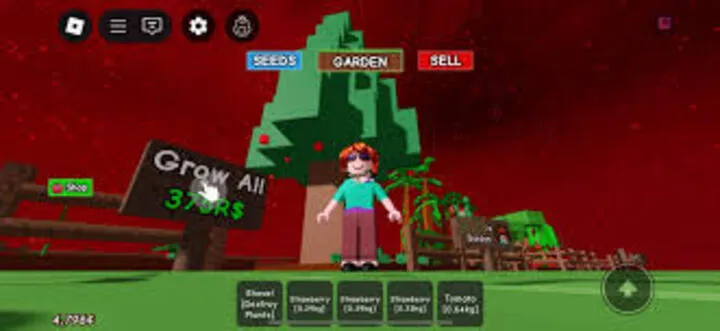
The transition into mid-game begins when you have stable income, expanded garden space, and upgraded tools that allow you to handle more complex planting patterns. At this stage, you should begin experimenting with high-value seeds, larger layouts, and early automation systems.
A proper transition includes expanding your crop diversity, focusing on yield-boosting fertilizers, and preparing for premium seeds that require longer grow times. Your early-game foundation ensures that this transition feels natural and efficient, giving you momentum as you progress further into more advanced gardening strategies.
Conclusion
Mastering the early-game planting strategy in Grow a Garden gives you a powerful advantage that lasts throughout your entire playthrough. By choosing efficient seeds, adopting a clean layout, optimizing watering timing, focusing on impactful upgrades, and avoiding common mistakes, you create a strong foundation for rapid progression. Early-game success is not about luck—it’s about discipline, smart planning, and consistent execution. With these strategies, you will comfortably transition to mid-game farming, unlock higher-value plants, and build a garden that grows bigger, faster, and more profitably.