.webp)



Free Fire is one of the most successful mobile battle royale games in the world. Designed for fast-paced matches and low-end devices, Free Fire has attracted hundreds of millions of players, especially in emerging markets. This article explores the evolution of Free Fire, explains how the game works, and analyzes why it continues to thrive in the competitive mobile gaming industry.
1. The Birth of Free Fire: A Mobile-First Vision
Free Fire was developed by Garena and released in 2017 with a clear goal: bring the battle royale experience to mobile devices that could not run heavy games. At a time when many mobile games struggled with performance, Free Fire focused on optimization and accessibility.
This design decision helped the game spread rapidly, especially in regions where high-end smartphones were less common.
Core Design Philosophy
Fast matches and low hardware requirements.
Why Mobile Optimization Matters
More players could join regardless of device quality.
2. Early Growth and Global Expansion
Shortly after launch, Free Fire experienced massive growth in Southeast Asia, Latin America, and India. The game’s short match duration made it easy to play anytime, anywhere.
This accessibility played a major role in turning Free Fire into a global hit.
Regional Popularity
- Southeast Asia
- South America
- South Asia
Community-Based Growth
Local events and influencers boosted engagement.
3. Core Gameplay Mechanics Explained
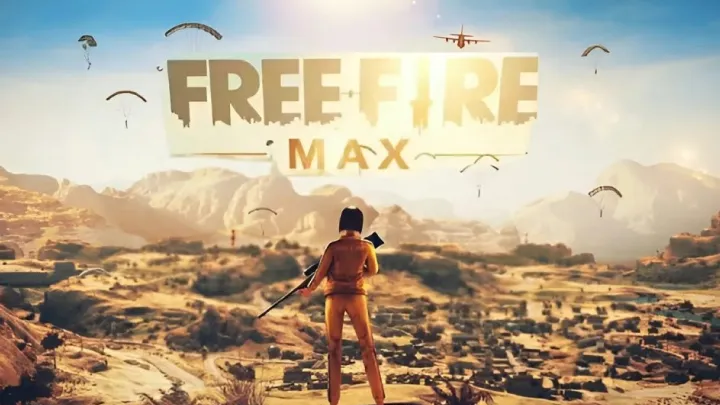
In Free Fire, 50 players drop onto an island and fight until only one remains. Matches are faster than traditional battle royale games, usually lasting around 10 minutes.
The simplified mechanics make the game easy to learn while still offering competitive depth.
Basic Gameplay Elements
- Parachuting and landing
- Looting weapons and items
- Safe zone shrinking
- Last-player-standing victory
Why Matches Feel Intense
Smaller maps increase action frequency.
4. Characters and Skills: A Unique Twist
Unlike many battle royale games, Free Fire features characters with unique abilities. These skills affect movement, combat, or survival, adding a layer of strategy.
Choosing the right character becomes an important part of gameplay.
Character Skill Types
- Offensive skills
- Defensive skills
- Support abilities
Strategic Impact
Skills allow different playstyles.
5. Weapons, Loadouts, and Combat Style
Combat in Free Fire is fast and mobile-focused. Weapons are simplified for touchscreen controls, making aiming and shooting more accessible.
Players must learn positioning and timing to win gunfights.
Weapon Categories
- Assault rifles
- SMGs
- Shotguns
- Sniper rifles
Close-Range Focus
Fast encounters reward quick decisions.
6. Maps and Game Modes Over Time
Free Fire offers multiple maps and modes to keep gameplay fresh. In addition to classic battle royale, players can enjoy Clash Squad and special event modes.
This variety helps prevent burnout and keeps players returning.
Popular Game Modes
- Battle Royale
- Clash Squad
- Ranked Mode
Map Design Philosophy
Compact maps encourage constant action.
7. Competitive Scene and Esports Growth
Free Fire has built a strong esports ecosystem with regional and international tournaments. Competitive play attracts skilled players and large audiences.
Esports success has helped maintain long-term interest in the game.
Esports Features
- Ranked matchmaking
- Professional leagues
- Global championships
Community Impact
Competitive events inspire new players.
8. Events, Skins, and Live Updates
Regular events, character releases, and cosmetic skins keep Free Fire feeling fresh. Limited-time collaborations attract both new and returning players.
These updates create excitement and urgency.
Live Content Types
- Seasonal events
- Character updates
- Weapon skins
Player Engagement
Frequent rewards increase retention.
9. Free Fire and Social Connection
Free Fire emphasizes social gameplay through squads, voice chat, and friend systems. Playing with friends enhances coordination and enjoyment.
Social features strengthen community bonds.
Social Features
- Squad gameplay
- In-game voice chat
- Guilds and teams
Teamwork Importance
Communication improves survival chances.

10. The Future of Free Fire
Despite strong competition in the mobile battle royale market, Free Fire continues to adapt. Improvements in graphics, balance, and content ensure long-term sustainability.
The game’s focus on accessibility gives it a unique advantage.
Future Directions
- Enhanced visuals
- New characters
- Expanded esports
Why Free Fire Will Last
Accessibility and fast gameplay remain appealing.
Conclusion
Free Fire has proven that a mobile-first approach can lead to global success. With fast matches, unique characters, and strong community support, the game continues to thrive. Whether played casually or competitively, Free Fire offers an accessible and exciting battle royale experience that remains relevant in the evolving gaming landscape.