.webp)







Introduction
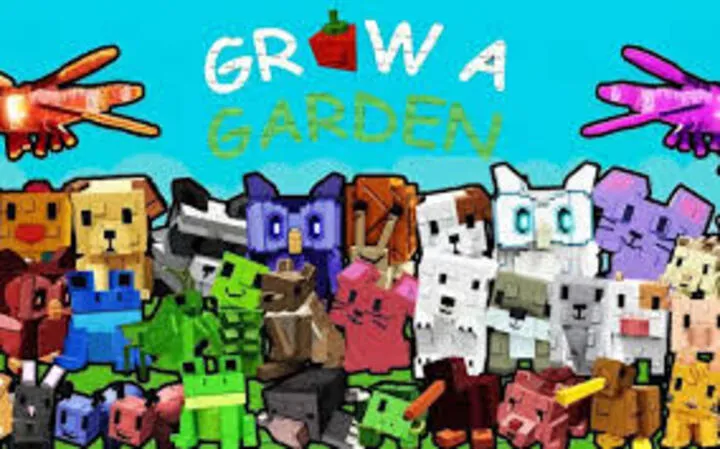
Grow a Garden is more than a relaxing casual game—it’s a strategic challenge that tests the player’s ability to manage time, resources, and production efficiency. Every decision matters: which plant to grow first, when to expand land, how to upgrade tools, and how to maintain a steady production cycle. This expanded tips & guide will give you a deeper, more analytical breakdown, helping you speed up your progress while avoiding wasted effort or materials.
1. Understand the Growth Mechanics of Every Plant
Each plant in Grow a Garden works based on three crucial factors: growth duration, harvest yield, and upgrade efficiency. These determine which plants are ideal for early, mid, and late-game progression. Fast-growing plants offer quick returns but low profit; long-growth plants offer huge rewards but can stall progression if used too early.
Mastering these mechanics prevents the common beginner mistake of planting long-duration crops prematurely. If you check the game only a few times per day, long-growth crops are ideal. If you’re active often, fast-growth plants create a constant resource flow, making them far more efficient for early progress.
2. Prioritize Fast-Growth Plants in the Early Game
During the early phase, your resources are extremely limited. Your first goal should be establishing a rapid production cycle. Fast-growth plants (anything under 10 minutes) allow you to harvest repeatedly within the same day, multiplying your resource gains.
Choosing long-growth crops too early (6–12 hours) stalls your progress and prevents you from expanding efficiently. Fast crops let you snowball quickly, unlocking more features and land in a shorter time.
3. Manage Resources with the 60 – 30 – 10 Formula
A widely recommended resource-management formula for Grow a Garden is:
- 60% for planting & land expansion
- 30% for tool upgrades
- 10% for emergency reserve
- This structure ensures you always have enough resources to continue progressing while avoiding sudden shortages. The 10% buffer becomes extremely useful when surprise missions appear or events require quick spending.
- This formula works best in the mid-game once your harvests become consistent and you need predictable budgeting.
4. Expand Land “Wide Before Deep”
Expanding land is costly, but how you expand is more important than when. The optimal strategy is:
→ Expand horizontally first, upgrade each tile later.
More land = more diversity in crops, better resource distribution, and fewer production bottlenecks.
By owning more plots early, you can maintain several crop types simultaneously, completing missions faster and producing more balanced materials for crafting and upgrades.
5. Take Advantage of Daily Missions & Rewards
Daily missions often provide surprisingly valuable rewards—many times more than regular farming output. Simple tasks like “Harvest 5 plants” can give rewards equal to hours of passive farming.
The 7-day mission streak bonuses are especially important: completing all tasks each day can speed up your progression by 20–30%.
Even on busy days, logging in for just 3–5 minutes ensures you don’t miss these free boosts.
6. Upgrade Tools at the Right Time for Double Efficiency
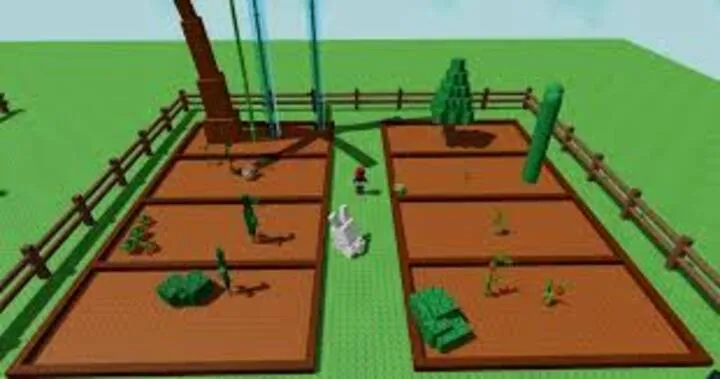
Many players waste resources upgrading tools too early. The right time to invest in tools is when:
- You have 6–8 land plots
- Harvesting starts taking more time than before
- Your production outpaces your processing speed
- Mid-tier tools are the “sweet spot” of the game—affordable but extremely effective. They reduce harvest time, increase yield quality, and unlock new features that dramatically speed up your farming loop.
7. Use a Day–Night Crop Strategy to Maximize Output
The smartest players split crops into two categories:
- Day crops: fast-growth plants harvested while you are active
- Night crops: long-growth plants planted before sleeping
- This method eliminates all downtime. Even while offline, your farm continues producing high-value materials. Night crops often generate rare resources, making them essential for late-game upgrades.
8. Optimize Storage to Prevent Resource Waste
A full storage is one of the biggest silent progress killers. When your storage is full, your crops stop producing—causing hours of wasted time.
Upgrade your storage at these key moments:
- After unlocking 6 land plots
- When switching to rare crops
- Before joining special events
- A larger warehouse lets you harvest freely and avoid forced selling at low prices.
9. Join Special Events to Obtain Rare & Powerful Plants
Events are the fastest way to get rare plants with insane value. These plants often produce 2–3× more materials or even create bonus items passively.
Prioritize events by:
- Choosing those that reward plants you still don’t own
- Joining short events with high-value rewards
- Even a single top-tier plant can completely transform your farm’s productivity and reduce grinding drastically.
10. Build a Consistent Planting–Harvesting–Selling Cycle
A strong farm runs like a machine. Create a structured cycle to avoid chaotic gameplay:
- Plant fast crops to accumulate resources
- Mix in long crops at optimal times
- Harvest in batches, not randomly
- Sell in large quantities to unlock bonus multipliers
- This organized approach reduces the time you spend clicking, increases overall yield, and ensures nothing goes to waste.
Conclusion
Grow a Garden becomes incredibly rewarding once you apply a proper strategy. Understanding plant cycles, managing resources wisely, using time-based farming strategies, expanding early, and maximizing events will help you grow faster with less effort. Consistency is the secret: each optimized decision compounds over time, turning your garden into a smooth, self-sustaining production system.