





The latest update in 99 Nights in the Forest didn’t just tweak difficulty—it quietly changed how the entire survival loop works. Many players are now struggling with a mid-game issue where campfires become harder to maintain after Night 12, leading to what feels like an unavoidable collapse.
This guide focuses specifically on that problem. Instead of general tips, you’ll learn how to adapt to the new update, understand what changed, and apply strategies that actually work under the current system.
1. Understand What the Update Changed First
Why this matters
You can’t fix a system if you don’t understand how it changed. The new update appears to:
- Increase fuel consumption scaling
- Reduce effective resource gain over time
- Punish inefficient movement more heavily
What you should do
Before changing your playstyle, accept that:
- Old strategies no longer work the same
- Mid-game is now the hardest phase
- Efficiency matters more than speed
Key mindset shift
You are no longer playing for expansion—you are playing for stability.
 2. Stabilize Your Campfire Before Night 10
The biggest mistake players make
Waiting until Night 12+ to worry about fuel is too late.
What to do early
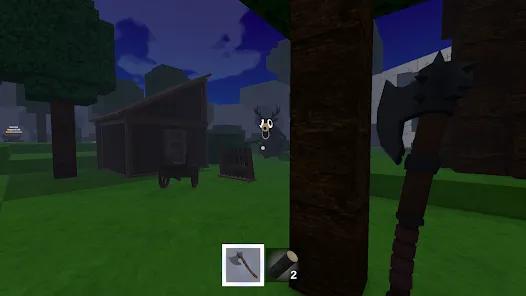
- Over-collect wood during early nights
- Build a fuel buffer instead of using everything immediately
- Avoid unnecessary exploration
Target goal
Have at least 2–3 nights worth of extra fuel before Night 10.
3. Switch to Short Resource Loops
Why long routes fail now
The update makes long-distance gathering inefficient because:
- Travel time increased (due to darkness pressure)
- Enemy interruptions are more frequent
What to do instead
- Create small circular farming routes near camp
- Prioritize consistency over high-risk zones
Example loop strategy
- Camp → nearby trees → return → repeat
This reduces wasted time and improves fuel stability.
4. Control Your Campfire, Don’t Max It
Common misunderstanding
Many players keep the campfire at max intensity all the time.
Why this is bad now
- Higher intensity = faster fuel drain
- You are burning resources unnecessarily
What to do
- Keep fire at minimum safe level
- Only boost when:
- Enemies approach
- You need visibility for a short time
Rule
Treat fire like a resource, not a constant state.
5. Optimize Night Movement Efficiency
The hidden problem
Most fuel loss now comes from inefficient movement, not bad luck.
What to improve
- Reduce idle time
- Avoid zig-zag paths
- Plan routes before leaving camp
Micro-optimization tips
- Always gather on the way out AND back
- Never return empty-handed
- Cancel risky runs early
Efficiency = survival in this update.
6. Prioritize Fuel Over Everything Else
Hard truth
After the update, fuel is more important than:
- Exploration
- Expansion
- Risk-taking
What to do
- If forced to choose → always pick fuel
- Delay upgrades if they cost survival time
Priority order
- Fuel
- Safety
- Everything else
7. Avoid Triggering the Collapse Window
When danger starts
The collapse usually begins between Night 10–15.
How to prevent it
- Enter this phase with surplus fuel
- Reduce risk-taking completely
- Focus only on maintaining balance
Warning signs
- You return with just enough fuel
- You start skipping runs
If you see these → adjust immediately.
8. Adapt to Increased Enemy Pressure
What changed
Enemies now:
- Interrupt more often
- Appear closer to resource zones
What to do
- Don’t fight unnecessarily
- Disengage early
- Choose safer farming spots
Key rule
Survival > combat
Fighting wastes time, and time now equals fuel.
 9. Build a Recovery Buffer Strategy
Why this matters
Even with perfect play, mistakes happen.
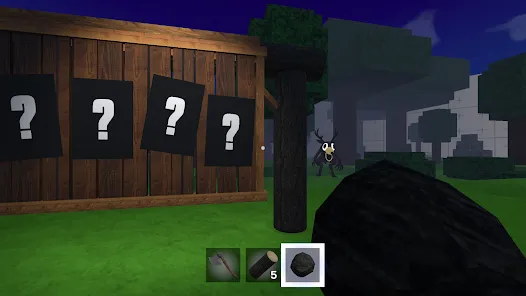
What to prepare
- Always keep emergency fuel
- Avoid dropping to zero запас
Recovery method
If fuel gets low:
- Stop exploring completely
- Run only safe routes
- Rebuild buffer before continuing
10. Play Slower to Win Longer
The biggest adjustment
This update punishes aggressive play.
What actually works now
- Slow, controlled gameplay
- Minimal risk
- Consistent routines
Final mindset
You are not racing to Night 99
You are surviving each night efficiently
Conclusion
The new update in 99 Nights in the Forest has fundamentally changed how players must approach survival, especially in the mid-game. The campfire system is now more demanding, and small inefficiencies can quickly spiral into failure.
However, by adapting your strategy—focusing on fuel management, efficient movement, and controlled pacing—you can not only survive the changes but build more consistent and stable runs.
Master the system, and the update becomes a challenge—not a barrier.