.webp)





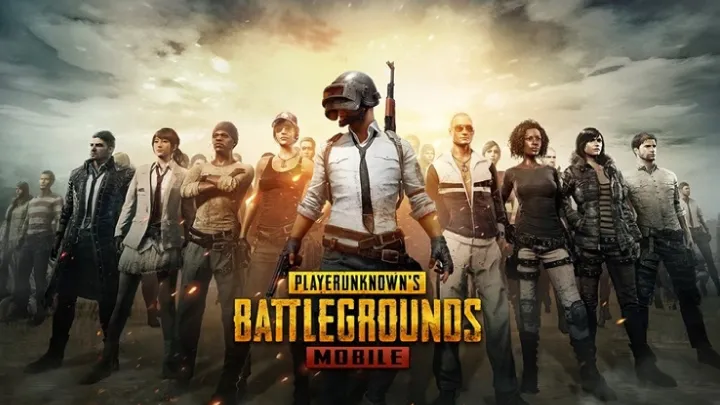
PUBG Mobile, developed by PUBG Corporation and Tencent, has made a remarkable impact on the mobile gaming landscape since its launch in 2018. The game's blend of intense battle royale action and strategic gameplay has captivated millions of players worldwide. However, one pressing issue remains: cheating. Despite developers' efforts to combat it, the ongoing battle against cheaters undermines the game's integrity and disrupts the experience for legitimate players. This article delves into the complexities surrounding cheating in PUBG Mobile, exploring its impact on player engagement, competitive balance, and community dynamics.
Introduction to PUBG Mobile
The Rise of a Battle Royale Phenomenon
Since its release, PUBG Mobile has grown to be one of the most popular mobile games, attracting a massive player base with its fast-paced battles and the thrill of survival. The game is known for its core mechanics, which involve players parachuting onto an island, scavenging for weapons and resources, and battling until only one player or team remains. This blend of strategy and action captivated not just casual players but also competitive gamers, leading to a burgeoning esports scene surrounding the title.
The Cheating Dilemma
However, alongside its meteoric rise, PUBG Mobile faces a significant challenge: cheaters. From aimbots and wallhacks to various other cheats, players have found ways to bypass the game's fair play systems. Cheating undermines the integrity of the game, leading to frustration among players and a decline in the overall gaming experience. By examining the nature of cheating in PUBG Mobile, we can better understand its ramifications for both casual and competitive players alike.
Understanding Cheating in PUBG Mobile
Types of Cheating
In PUBG Mobile, cheating can take various forms, including but not limited to aimbots, wallhacks, and speed hacks.
- Aimbots: These programs enable players to automatically aim at opponents with pinpoint accuracy, drastically reducing the skill required to secure kills.
- Wallhacks: This form of cheating allows players to see others through walls or terrain, providing an immense advantage in terms of positioning and anticipation.
- Speed hacks: Players using speed hacks can move faster than intended, making it difficult for others to engage them or flee from danger.
Each type of cheat undermines the core principles of fair play, creating an uneven battlefield.
The Impact of Cheating
The prevalence of cheating significantly affects PUBG Mobile’s ecosystem. Game integrity suffers when players use cheats to gain an unfair advantage:
- Frustration Among Players: Victims of cheating often experience a sense of powerlessness and frustration, as they find themselves eliminated by opponents using unfair methods. This feeling can lead to declining player retention and interest in the game.
- Competitive Integrity: For serious gamers and those involved in the esports scene, the existence of cheats disrupts the competitive balance. Matches may feel less meaningful when players question the legitimacy of their opponents, undermining the essence of skill-based gameplay.
- Community Sentiment: The entire community feels the effects of cheating, as discussions about fairness and integrity become prevalent. Players who experience constant encounters with cheaters may choose to abandon the game entirely, impacting the player base.
The Developer’s Approach to Cheating
Anti-Cheat Measures Implemented
In response to the issue, PUBG Mobile developers have implemented various anti-cheat measures over the years. These include:
- Real-time Detection: The game employs sophisticated algorithms to monitor player behavior during matches, flagging suspicious activity.
- Regular Updates: By frequently updating the game, developers patch known vulnerabilities that cheaters might exploit. This includes fixing bugs and enhancing security measures.
- Ban Waves: PUBG Mobile regularly announces "ban waves" targeting accounts identified as cheating. These sweeping actions serve both as a deterrent and as a statement of the developers’ commitment to fair play.
Challenges in Enforcement
While developers’ efforts are commendable, they face several challenges:
- Evolving Cheat Technology: Cheaters are continually finding new ways to bypass detection systems, adapting their methods to exploit vulnerabilities in the game’s architecture. The cat-and-mouse game between developers and cheaters proves a continual strain on resources.
- False Positives: The risk of incorrectly banning legitimate players creates further tension in the community. Players often share stories of being wrongfully accused of cheating, leading to anger toward the developers.
- Player Awareness and Reporting: Relying on players to report suspected cheaters adds a varying layer of dependency. Some players may not know how to report effectively, while others may feel discouraged by the lack of immediate action on reported accounts.
Community Engagement and Cheating
Affected Communities
The rise of cheating has resulted in the development of various communities focused on these behaviors. Some players share cheat tools, while others document encounters with cheaters. These communities can inadvertently normalize the use of cheats, making it more challenging for developers to reinforce the idea of fair play.
Player Sentiment and Activism
As frustration against using cheats grows, many players have become vocal about their experiences. Social media platforms and forums such as Reddit have become filled with discussions advocating for stricter measures against cheaters. This activism creates pressure for developers to respond and reassess their strategies continually.
The Role of Game Design in Cheating
Designing for Integrity
The design of the game itself plays a significant role in how cheating manifests. If a game’s mechanics make cheating easier to implement, players may be more inclined to exploit these loopholes. Certain aspects of PUBG Mobile, such as the gun mechanics, vehicle dynamics, and map design, may inadvertently favor cheaters.
Creating a Balanced Playfield
To combat cheating effectively, developers must balance their game design. This might include:
- Improved Hit Registration: Ensuring that shots register accurately and consistently can make a substantial difference. When players feel that their shots are not hitting as they should, frustration might lead them to justify cheating as an alternative.
- Enhanced Visual Feedback: Providing players with immediate feedback on actions such as hit registrations or interactions with the environment can help create a more transparent experience, disincentivizing cheating.
- Dynamic Game Elements: By designing dynamic elements that change the gameplay and environment regularly, developers can create a less predictable battlefield, complicating the effectiveness of cheats.
The Influence of Streamers and Content Creators
Promoting Fair Play
Content creators play a vital role in shaping community attitudes toward cheating. Streamers who prioritize fair play and transparency can significantly influence their audiences. By setting examples, they can raise awareness about the issue and encourage players to avoid cheats.
Highlighting Cheating Incidents
Conversely, showcasing encounters with cheaters during streams can draw attention to the problem and embolden the community to speak out. While these incidents can be entertaining, they also emphasize the necessity for developers to act swiftly to mitigate ongoing issues.
Future Directions in Combating Cheating
Investing in Advanced Technologies
To stay ahead of evolving cheating methods, developers need to invest in advanced technologies. This can include machine learning algorithms that learn from player behaviors, making it possible to identify anomalies in real-time more effectively.
Collaborating with the Community
Developers should prioritize communication with their player base. Promptly addressing concerns and providing updates on anti-cheat measures fosters trust and engagement, letting players feel that their voices are heard. Initiatives like community meetings, open feedback channels, and player panels can be immensely beneficial.
Educational Campaigns
Creating educational campaigns to inform players about the consequences of cheating, both for themselves and the community, can help shift attitudes. By fostering a culture that stigmatizes cheating, developers can promote healthier environments for fair play.
Conclusion
Cheating in PUBG Mobile is a pervasive challenge that impacts not only gameplay but also the community as a whole. Developers must combat this issue through consistent engagement, enhanced security measures, and design modifications that promote integrity. Success in mitigating these challenges derives from cultivating collaboration between developers and players, fostering an ecosystem that celebrates skill and fair competition. As the game evolves, the ongoing battle against cheating remains pivotal, requiring innovation and community support to uphold the spirit of PUBG Mobile.