



Introduction
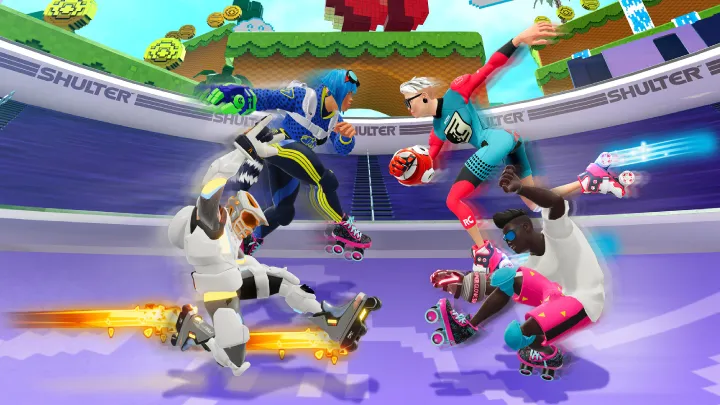
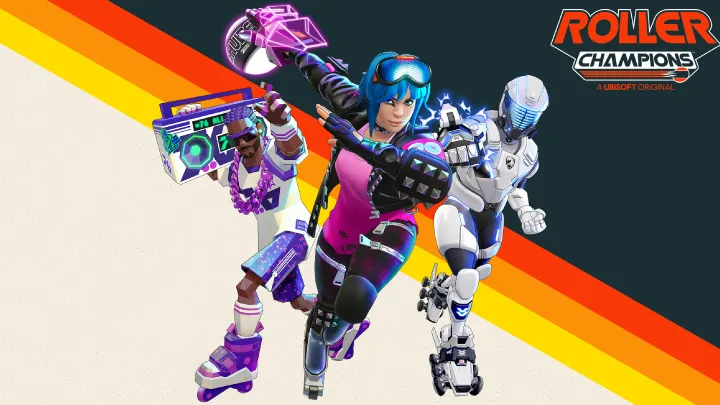
Roller Champions, developed by Ubisoft, is a competitive free-to-play sports game that merges fast-paced roller skating with elements of strategy and teamwork. Players compete in teams of three, racing around a circular track, passing a ball, and aiming to score goals against their opponents. This vibrant and energetic environment serves not only as a platform for thrilling gameplay but also as a rigorous examination of the importance of teamwork and communication. As players navigate the complexities of competitive play, the dynamics of collaboration become pivotal to success. This article delves deeply into how Roller Champions embodies the principles of teamwork and communication, exploring how these elements are woven into the gameplay mechanics, strategies, and player interactions.
Understanding the Gameplay Mechanics
Basic Game Dynamics
In Roller Champions, players engage in matches that combine elements of roller skating and ball sports. At its core, the objective is straightforward: score goals by getting the ball past the opposing team and into their net. However, the mechanics of how players interact with one another and their environment introduce layers of complexity that elevate the fundamental gameplay.
Movement and Team Formation
Players glide along the track, employing swift movements, jumps, and tricks to navigate the space and outmaneuver rivals. This agility reinforces the importance of cooperative strategies. Teams must learn to work together, coordinating their movements to create openings for scoring while defending against incoming attacks. The fluidity of movement requires seamless communication and teamwork, making collaborative strategies essential for success.
The Importance of Team Composition
Roles and Specialization
One of the standout aspects of Roller Champions is its emphasis on team composition and player roles. Each player can choose from various character types, each equipped with unique skills and abilities that can influence the dynamics of the team. For example, players might adopt the roles of a speedster, a powerful enforcer, or a balanced all-rounder.
Strategy Development
The choice of roles invites players to devise team strategies based on their chosen characters. Speedsters can rush to score points quickly, while enforcers can protect the ball carrier, allowing teams to develop layered strategies for both offense and defense. This intricacy mandates fluid communication among teammates to maximize each player’s strengths while covering for weaknesses.
Communication: The Key to Success
Voice and Text Chat
Effective communication is fundamental in Roller Champions, where split-second decisions can dictate the outcome of a match. Players utilize both voice and text chat to coordinate movements, decide on strategies, and inform teammates of enemy positions. This constant flow of information is vital for maintaining awareness and executing plans seamlessly.
Non-Verbal Communication
Beyond verbal communication, non-verbal cues—such as gestures and in-game movements—also play a significant role. Players can communicate intentions through body language, utilizing tricks, sudden stops, or directional movements to signal what they plan to do next. The reliance on both verbal and non-verbal communication highlights the necessity for intuitive teamwork, fostering a sense of camaraderie among players.
The Impact of Mistakes and Learning
Consequences of Errors
In competitive environments like Roller Champions, mistakes are inevitable. A player’s wrong decision—be it an inaccurate pass or a poorly timed maneuver—can lead to a counterattack and potentially result in a goal for the opposing team. These errors reinforce the importance of cooperative communication, as players often need to regroup and reassess moving forward after a mistake.
Learning Through Experience
The game’s mechanics encourage a learning curve, where players refine their strategies through trial and error. Each match becomes a lesson in collaboration, forcing teams to adapt and evolve. Players often engage in post-match discussions, analyzing what went well or poorly, which fosters a culture of improvement and growth within the team dynamic.
The Role of Community
Building Bonds Among Players
Roller Champions cultivates a sense of community among its player base. The cooperative nature of the game allows friends and strangers alike to work toward a common goal, forging bonds that extend beyond gameplay. Players often form teams, creating a shared identity within the game that encourages camaraderie and teamwork.
Engaging with the Community
Ubisoft actively nurtures the community experience through regular updates, events, and challenges that encourage player participation. These initiatives invite players to work collaboratively, whether through participation in seasonal events or community-wide goals. Engaging with the broader player community fosters a sense of belonging and investment in the game, heightening the overall cooperative experience.
The Thrill of Competition
Embracing Rivalry
In addition to teamwork, Roller Champions excels in incorporating the thrill of competition. Players are thrust into a competitive environment where they must not only work together but also overcome rival teams. This dynamic adds a layer of tension that can either strengthen team bonds or expose weaknesses.
Motivation for Improvement
The competitive nature of the game motivates players to improve their skills continually. Players often find themselves pushing each other to refine techniques, enhance teamwork, and develop strategic plays. This motivation fosters an atmosphere of support and encouragement, where the success of one player translates into the success of the team.
Personal Growth Through Team Play
Development of Individual Skills
As players work together to achieve victory, they also experience personal growth in their gameplay. The cooperative mechanics encourage players to develop their unique playstyles while also learning from others. For instance, a player who typically plays defensively may learn to take risks and score occasionally, contributing more dynamically to the team.
Building Confidence
The nature of teamwork in Roller Champions allows players to build confidence through collaboration. When players experience success as part of a team, it reinforces their belief in their capabilities. This newfound confidence can motivate players to engage with competitive environments beyond Roller Champions, further enhancing their overall gaming experiences.
Reflection on Cooperation
Evaluating Team Dynamics
As players engage in countless matches, they inevitably encounter various dynamics within their teams. Some groups are well-coordinated, seamlessly executing strategies, while others struggle with miscommunication or misunderstandings. These experiences highlight the importance of evaluating team dynamics, allowing players to identify effective collaboration methods and adjust their approaches.
The Role of Feedback
Feedback becomes a vital component of teamwork, allowing players to discuss their experiences and reflect on gameplay. Constructive criticism can lead to improvements, enhancing communication and reliability within the team. The emphasis on feedback fosters a culture of cooperation, where players understand the importance of supporting one another.
The Future of Community and Cooperation in Roller Champions
Expanding Game Mechanics
As Ubisoft continues to develop and expand Roller Champions, the community aspect and emphasis on cooperation will likely remain central pillars. Future updates may introduce new gameplay mechanics that enhance the collaborative experience, further emphasizing the significance of teamwork in achieving objectives.
Fostering a Lasting Community
The player community will continue to play a pivotal role in shaping the future of Roller Champions. Engaging with players, gathering feedback, and cultivating a supportive atmosphere can lead to enriching experiences that bring individuals together through shared goals. Fostering a lasting community will ensure the game thrives, as players invest time and effort into collaborating with others.
Conclusion
Focusing on community and cooperation, Roller Champions weaves a rich tapestry of friendship, teamwork, and personal growth within a competitive landscape. Through engaging gameplay mechanics, effective communication, and the thrill of rivalry, players cultivate meaningful bonds that enhance their experience. The game serves as a testament to the power of collaboration in overcoming obstacles, reinforcing the notion that success is derived from collective effort. As players navigate the vibrant world of Roller Champions, they not only refine their skills but also deepen their connections with others, ultimately showcasing that the essence of the game lies in its ability to foster community. The emphasis on cooperation and support creates a memorable journey, leaving an indelible mark on players long after the games are played.