.webp)


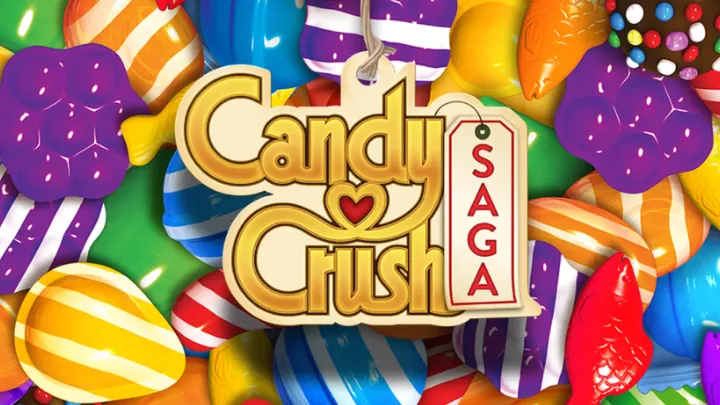
Candy Crush Saga has established itself as one of the foremost mobile games in the industry since its release in 2012. Its widespread popularity can be attributed to its colorful visuals, simple gameplay mechanics, and the enticing promise of rewards. However, beneath its sugary facade lies a complex web of psychological strategies designed to keep players engaged and coming back for more. This article delves deeply into the mechanics of addiction present in Candy Crush Saga, examining how the game's design exploits behavioral psychology to create a compelling gaming experience.
Introduction
Candy Crush Saga’s design cleverly crafts an addictive user experience that taps into the psychological principles of variable reward systems, sudden bursts of achievement, and social reinforcement. By analyzing these mechanics, we can better understand why players find it difficult to put the game down. This examination also raises questions about broader implications in the gaming world and whether such designs contribute to unhealthy gaming habits.
The Rise of Candy Crush Saga
The First Impression: Bright Colors and Simple Mechanics
When players first launch Candy Crush Saga, they are greeted with an explosion of colors, enticing music, and engaging animations. This initial experience serves as a crucial element in establishing the game's addictive nature.
- Color Psychology and Visual Appeal:
- The vibrant color palette and cheerful graphics are designed to create a sense of happiness and enjoyment, evoking positive emotions.
- Colors are meticulously chosen to stimulate engagement and elicit a sense of urgency; for example, red can signify urgency and prompt quick actions, while pastel colors promote relaxation.
- User-Friendly Controls:
- The simplicity of the swipe-and-match mechanics makes it accessible to a wide audience, regardless of gaming experience.
- Early levels are designed to be easy, allowing new players to feel a sense of accomplishment and encouraging them to continue exploring more challenging levels.
Onboarding Mechanics
Once players step into the game, effective onboarding mechanisms are set in place to lock them into the addictive loop.
- Tutorial Levels:
- The initial levels act as a tutorial, introducing players to the basic mechanics while providing instant gratification through early successes.
- Smoothly guiding players through challenges, these levels prevent frustration and foster a desire to continue playing.
- Immediate Feedback:
- The game reinforces player actions with visual flair, such as animated effects when matches are made. This instant gratification establishes a positive feedback loop that encourages further play.
- The combination of visual and audio cues keeps players engaged, layering the satisfaction of progression over each interaction.
The Psychology of Variable Rewards
The Power of Unpredictability
One of the most significant psychological tactics employed in Candy Crush Saga is the use of variable rewards—a concept derived from behavioral psychology.
- Understanding Variable Rewards:
- Players are never sure when they will receive bonuses like extra lives, special candies, or boosters, making the reward system unpredictable and, therefore, more enticing.
- This unpredictability mimics the mechanics of gambling, where the potential for a jackpot can keep players engaged even when the odds are against them.
- Scheduled Rewards:
- The game employs a dynamic system where players earn rewards based on their engagement levels, creating a constant incentive to return.
- Daily bonuses, challenges, and events offer players opportunities to earn rewards, tapping into their desire for achievement and status.
The Dopamine Connection
The activation of dopamine receptors enhances the sensation of pleasure and satisfaction in players, making the game highly addictive.
- Reward Response:
- Each time players match candies or complete a level, a dopamine release occurs, creating feelings of happiness and allowing players to associate the game with positive reinforcement.
- This biological response leads to cravings for more play, reinforcing the cycle of behavior designed to pull players deeper into the game's world.
- Long-Term Impact:
- Over time, consistent engagement can lead to habitual behaviors, reinforcing the notion that players need to play to satisfy their cravings.
- Such a cyclical reward system transforms mere gaming into an entrenched habit that can be difficult to break.
The Role of Progression and Challenge
Level Design and Challenge Gradation
Candy Crush Saga is renowned for its level design, which escalates in difficulty at a carefully measured pace.
- Pacing and Progression:
- Early levels serve as confidence boosters, while later levels introduce more complex puzzles that require strategic thinking.
- This gradual increase in challenge keeps players invested; it pushes them to improve skills and apply new strategies, fostering a sense of accomplishment upon completion.
- Design Variations:
- Levels are designed with varied objectives that constraints, such as time limits or ingredient collection. This variety prevents gameplay from becoming monotonous and keeps players on their toes.
- By introducing new elements within the challenges, players remain engaged and curious about what the next level entails.
The Allure of Completion
The completionist aspect of Candy Crush Saga further drives its addictive potential.
- Star Ratings and Achievements:
- Players earn star ratings based on their performance and are rewarded for completing levels with specific goals.
- This comprehensive achievement system reinforces a sense of closure upon completing each level, inducing the desire to pursue further goals.
- Endless Progression:
- With thousands of levels available and new ones regularly added, the game cleverly harnesses the compulsion to keep progressing. Players feel the urge to ‘catch up’ to friends or complete every available challenge.
- The illusion of being on an endless journey keeps players engrossed, often leading to extended gaming sessions.
Social Aspects and Competition
The Impact of Leaderboards and Social Connections
Candy Crush Saga harnesses social connections and competition, adding another layer to its addictive nature.
- Social Mechanics:
- The game integrates social media functionalities, allowing players to invite friends, see their progress, and compare scores.
- Such interactions create a sense of community, fostering engagement and encouraging players to compete for higher scores or faster levels.
- Leaderboards:
- Competitive elements, such as leaderboards, intensify the drive to outperform one’s peers, leveraging social orientation to prompt continued play.
- Players frequently feel pressure to match or surpass friends' scores, thus reinforcing the need for regular engagement.
The Role of Community Events
Regular community events act as additional motivators to draw players into the game.
- Timed Events and Competitions:
- These events create urgency as players strive to meet limited-time challenges for unique rewards.
- The temporary nature of these events adds layers of excitement, compelling players to log in frequently to maximize potential benefits.
- Challenges and Social Interaction:
- Players can form teams to tackle specific challenges, coalescing social dynamics within the gaming environment.
- This collaborative approach not only strengthens community ties but also injects additional motivation to play.
Monetization Strategies and Ethical Concerns
The Freemium Model and In-Game Purchases
Candy Crush Saga employs a freemium model, allowing users to download the game for free while introducing various monetization tactics.
- In-Game Purchases:
- Players can buy extra lives, power-ups, and special candies, enabling them to progress through the game faster. This model can lead to compulsive spending behaviors.
- The pricing structure often capitalizes on the addictive nature of the game, tempting players to spend small amounts frequently.
- Economical Incentives:
- Through persuasive design, the game encourages players to invest money to alleviate frustration during difficult levels, bridging the gap between casual gameplay and financial expenditure.
- The misalignment between the game’s addictive mechanics and financial implications raises ethical questions about responsible design.
The Impact of Spending on Player Well-Being
The financial ramifications of Candy Crush Saga's monetization techniques can have detrimental effects on some players.
- Compulsive Spending:
- Players may find themselves purchasing items to bypass challenging situations, which can lead to financial strain and regret.
- The ease of in-game transactions can create an environment where players make impulsive financial decisions, prioritizing the gaming experience over their financial well-being.
- Impact on Mental Health:
- The emotional investment in the game, paired with the compulsive need to spend to progress, can result in negative mental health outcomes, including anxiety and stress.
- Discussions surrounding the ethics of monetization in games like Candy Crush Saga highlight the need for greater awareness of the psychological implications of game design.
Player Communities and Engagement
Online Forums and Player Interaction
Candy Crush Saga has cultivated an active online community where players can share experiences, seek advice, and celebrate achievements.
- Gathering Spaces:
- Platforms such as Reddit and Facebook host vibrant discussions among players, where they exchange strategies, tips, and support.
- This sense of community enhances the gaming experience, providing players with additional motivation to engage more deeply with the game.
- Sharing Achievements:
- Players often share screenshots of their accomplishments or boast about their highest scores, fostering a sense of pride and connectedness.
- This social reinforcement can lead to further engagement, as players seek recognition from their peers.
The Role of Influencers
Influencers play a pivotal role in shaping public perception and engagement with Candy Crush Saga.
- Gameplay Streams and Walkthroughs:
- Popular gamers often create content around Candy Crush, showcasing strategies and progress, thus attracting new players and keeping existing players engaged.
- The influencer culture surrounding the game can lead to heightened expectations for performance and achievement among followers.
- Community Events Hosted by Influencers:
- Influencers often host events or challenges, creating buzz and excitement within the community.
- These initiatives encourage collaborative efforts among players, perpetuating the engagement cycle and strengthening community ties.
Conclusion
Candy Crush Saga exquisitely blends colorful design, simple mechanics, and deep psychological strategies to create an experience that’s both entertaining and addictive. By analyzing how the game taps into components like variable rewards, social dynamics, and community engagement, we see how these elements intertwine to foster an environment ripe for compulsive behavior.
The examination of addiction mechanics raises important ethical conversations about game design and player well-being, questioning where entertainment crosses over into problematic territory. Ultimately, while Candy Crush Saga succeeds in captivating millions, it also serves as a case study on the complexities of addiction in gaming, encouraging players and developers alike to reflect on the experience of gaming in both its positive and negative dimensions.