ICARUS – How Session-Based Survival Creates Permanent Strategic Thinking

Most survival games revolve around permanence. Players establish a base, gradually accumulate resources, expand technology, and eventually transform a hostile wilderness into a secure home. Progress is measured by what remains after every session. ICARUS deliberately rejects this philosophy. Instead of encouraging permanent settlement, it repeatedly sends players into dangerous missions where survival is temporary and extraction is the true objective.
This session-based structure fundamentally changes how players approach exploration, resource gathering, and risk management. Every deployment begins with almost nothing, and every successful extraction requires careful planning under limited time and escalating environmental threats. Rather than treating temporary progression as a limitation, ICARUS turns it into the foundation of its design. This article explores how the game's mission-based survival system creates long-term strategic thinking despite constantly resetting short-term progression.
1. Landing With Nothing Changes Every Decision
Each mission begins the same way.
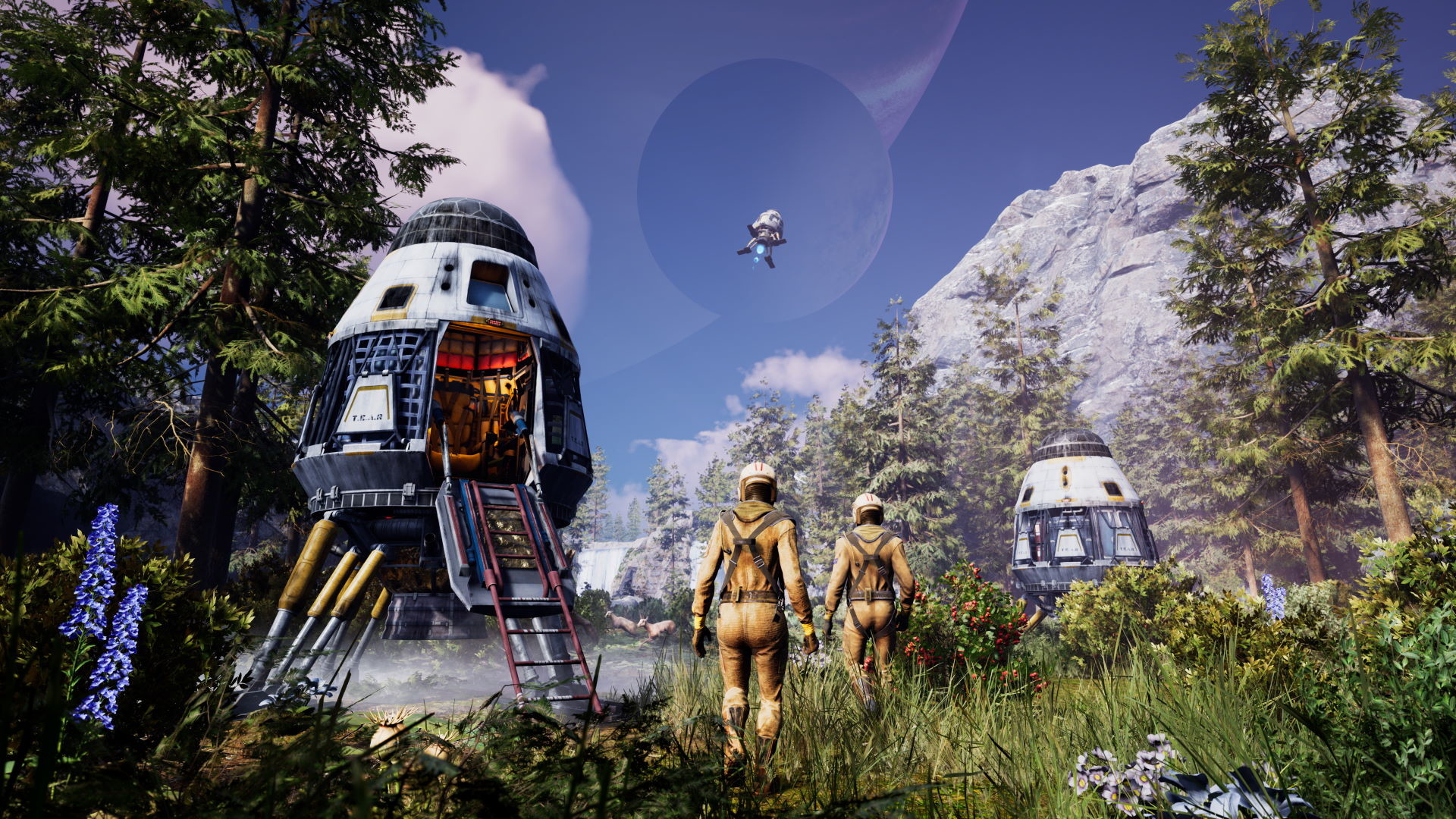
Players descend onto the planet carrying only the equipment they have chosen to bring from orbit. Local resources, shelter, tools, and food must all be acquired from scratch.
This repeated reset eliminates the comfort of permanent infrastructure. Every expedition demands fresh planning because yesterday's shelter no longer exists. Survival depends on understanding priorities instead of relying on accumulated possessions.
The result is a mindset focused on efficiency rather than ownership.
2. Early Survival Becomes a Structured Routine
The opening minutes establish the rhythm of every mission.
Players immediately gather wood, stone, fiber, and basic food before constructing primitive tools.
Repeatable Foundations
Although these actions repeat across missions, they rarely become meaningless.
Players continuously optimize the sequence, reducing wasted movement and improving resource efficiency.
Knowledge, rather than equipment, becomes the true form of progression.
3. Temporary Bases Replace Permanent Settlements
Shelters in ICARUS are designed around necessity.
They protect against storms, provide crafting stations, and create short-term security.
Disposable Architecture
Unlike traditional survival games, buildings rarely become emotional investments.
Players build exactly what the mission requires and abandon structures upon extraction.
Construction becomes a strategic calculation instead of a permanent achievement.
4. Mission Objectives Define Resource Priorities
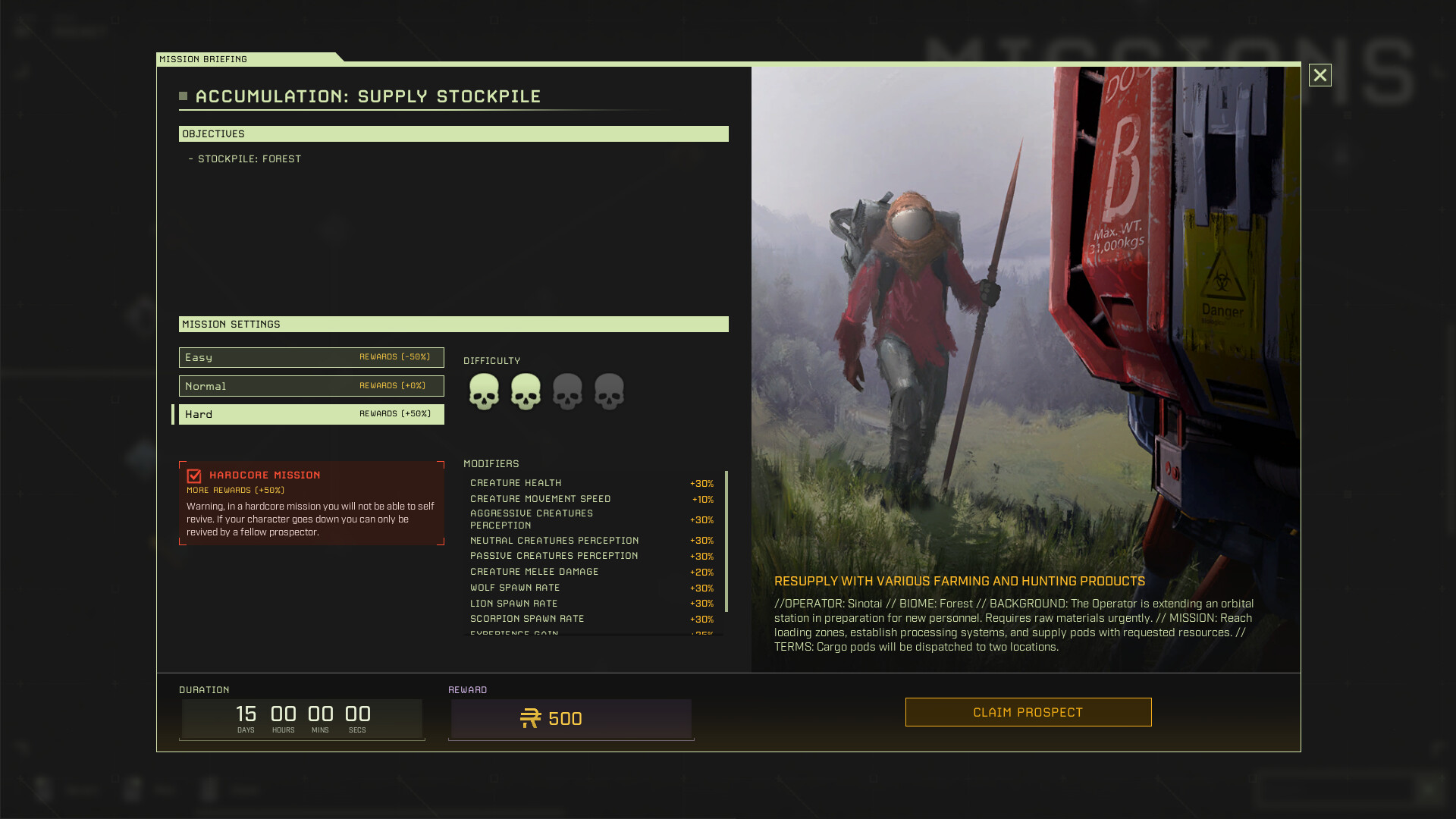
Different missions demand different preparations.
Some emphasize exploration, while others require hunting dangerous wildlife or transporting specialized equipment.
Adaptive Economy
Players cannot gather every resource equally.
Objectives determine which materials deserve attention and which can safely be ignored.
Efficiency replaces completionism.
5. Environmental Threats Prevent Passive Progression
The planet constantly resists occupation.
Violent storms damage structures, extreme temperatures reduce survivability, and wildlife punishes careless exploration.
Active Environmental Pressure
Nature functions as an intelligent opponent.
Ignoring weather forecasts or terrain conditions frequently results in unnecessary setbacks.
Preparation becomes just as important as execution.
6. Technology Trees Reward Planning Instead of Grinding
Technology unlocks occur throughout each mission.
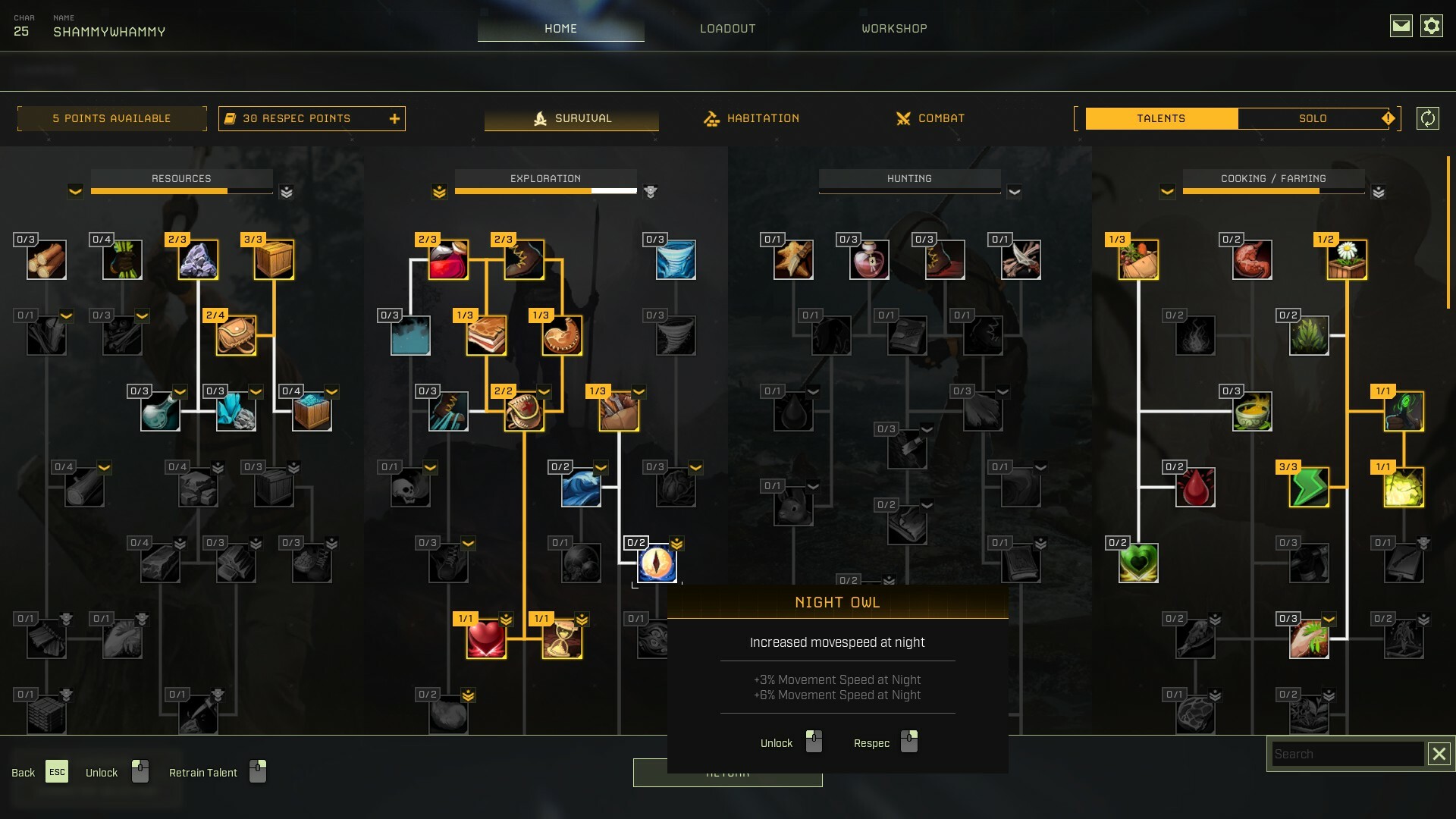
However, players must choose carefully which blueprints support current objectives.
Selective Advancement
Unlocking every technology is inefficient.
Successful expeditions prioritize tools that directly support mission requirements.
Strategic specialization consistently outperforms generalized progression.
7. Extraction Creates Constant Strategic Tension
Completing the mission is only part of success.
Players must still reach the extraction shuttle safely.
Success Is Not Guaranteed
Greed encourages unnecessary exploration.
Overconfidence increases the risk of losing valuable equipment.
The safest decision is often leaving the planet earlier rather than staying longer.
8. Meta-Progression Exists Outside Individual Missions
Although local progression resets, account progression continues.
Workshop equipment, orbital technology, and character talents persist between deployments.
Knowledge Meets Persistence
Permanent upgrades improve flexibility rather than replacing survival fundamentals.
Players still repeat early survival routines, but they execute them with greater efficiency.
Long-term progression complements, rather than replaces, temporary challenge.
9. Cooperation Becomes Logistical Rather Than Numerical
Multiplayer success depends on coordination.
Assigning roles dramatically improves expedition efficiency.
Distributed Responsibility
One player gathers resources.
Another constructs infrastructure.
Others explore or hunt.
Division of labor minimizes wasted time and strengthens overall survival.
The mission structure naturally encourages specialization.
10. Why Temporary Survival Feels More Meaningful
Permanent worlds eventually become predictable.
Established bases remove uncertainty from daily survival.
The Value of Starting Over
ICARUS preserves tension by ensuring every expedition begins with vulnerability.
Repeated fresh starts prevent routine from replacing strategy.
The constant cycle of preparation, execution, extraction, and renewal keeps survival engaging because players never rely entirely on previous success.
Temporary progression ultimately creates more meaningful long-term mastery.
Conclusion
ICARUS redefines survival game progression by replacing permanent settlement with repeatable expeditions. Every mission strips away accumulated infrastructure while preserving player knowledge, encouraging strategic refinement instead of endless expansion. Temporary bases, adaptive resource priorities, environmental hazards, and extraction-focused objectives create a survival experience built around preparation rather than possession.
This design philosophy ensures that each deployment remains tense, even for experienced players. Success is measured not by the size of a fortress but by the quality of planning, execution, and decision-making under pressure. By making every mission a fresh beginning, ICARUS demonstrates that meaningful progression can emerge from repeated reinvention rather than permanent accumulation.