.webp)





Introduction
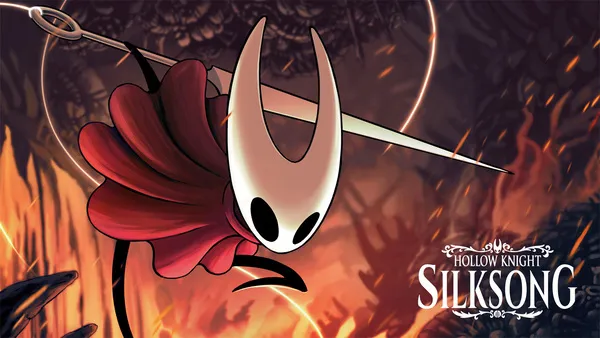
Hollow Knight: Silksong is best known for its acrobatic mobility, elegant world design, and the shift from the Knight to Hornet as a protagonist. While most discussions focus on new biomes, bosses, or the expanded quest system, one deeper issue has quietly shaped gameplay expectations: Silksong’s difficulty curve may be fundamentally unbalanced due to Hornet’s inherently advanced mobility toolkit.
This article explores why Hornet’s moveset creates a difficulty-curve problem, how it affects the early game, why Team Cherry may have intentionally raised the skill floor, and what this means for pacing, accessibility, and long-term design.
- Why Hornet’s Mobility Creates a Difficulty-Curve Issue
- Hornet is faster, more agile, and far more mechanically demanding than the Knight. Her identity is built around jumps, flips, rapid dashes, and aerial attacks, all of which make her feel immediately more complex.
 1.1 The Problem Starts Before the Game Even Begins
Players enter Silksong with preconceived knowledge of Hollow Knight. They expect a familiar, slow onboarding process:
– Basic jump
– Basic attack
– Gradual introduction to movement
– Soft early-game enemies
But Hornet breaks this model instantly. She begins with advanced techniques that took hours for players to master in Hollow Knight.
1.2 Movement as a Skill-Floor Multiplier
Hornet’s movement has two consequences:
– It raises the minimum player skill required to perform basic combat.
– It forces Team Cherry to design harder enemies to match her speed.
Because mobility is power. If your default moveset is stronger, the world must be stronger too.
- The Early-Game Spike: Fast Enemies, Sharp Patterns
- The earliest Silksong demos show enemies that move faster than nearly everything in base Hollow Knight. This is not accidental.
2.1 The Kingdom Demands More From the Player
In Hollow Knight, the Forgotten Crossroads gave players slow, predictable enemies. Silksong’s early areas reportedly feature:
– Enemies that dash
– Enemies that track vertically
– Enemies with multi-hit attacks
– Enemies that punish reckless movement
2.2 Hornet’s Natural Speed Means No “Slow Tutorial Zone”
Because Hornet can:
– vault upward
– chain air-dashes
– attack mid-flip
– recover faster
Team Cherry cannot design slow early enemies—they would be trivial, instantly breakable, and boring.
Thus, the difficulty curve starts higher by necessity.
- Thread Healing Makes Mistakes More Punishing
- The introduction of Thread, Hornet’s healing resource, plays a massive role in difficulty pacing.
3.1 Instant Healing, Limited Supply
Hornet heals instantly, which sounds easier—but the price is steep:
– Less thread than Knight’s soul
– More aggressive enemies
– Less time to regain resources
3.2 The Early-Game Problem
During early gameplay, players are weakest and least able to manage resource scarcity. But Silksong flips this: early enemies drain thread faster than beginners can refill it. This creates a harsh experience:
– One mistake → Lost thread
– No thread → No healing
– No healing → Death spiral
The early game becomes a survival challenge instead of a learning phase.
- Vertical Level Design and Its Consequences
- Silksong heavily emphasizes verticality—tower structures, ladders, rope bridges, bell towers, and cliffs.
4.1 Early Players Struggle With Height
Vertical levels demand three skills:
– Attack accuracy in the air
– Positioning above or below enemies
– Timing jumps while being attacked
Beginners fail these more often, making early areas unexpectedly punishing.
4.2 Enemies Designed Around Vertical Pressure
Many Silksong enemies attack upward or downward, not only sideways.
This is a dramatic change from the original game’s early zones.
- Boss Fights Scale Harder Because of Hornet’s Mobility
- Silksong’s bosses are faster, more complex, and assume players can react instantly. Hornet’s mobility again plays a role.
5.1 Boss Designs Expect Advanced Movement
Bosses strike vertically.
Bosses chain combos.
Bosses dash across entire arenas.
This is because Team Cherry assumes Hornet can keep up.
5.2 Early Bosses May Be Harder Than Many Mid-Game HK Bosses
According to community impressions at events like E3, the early-game bosses feel like mid-game challenges.
This pacing mismatch is the core difficulty-curve problem.
- The Psychological Burden of Playing a Faster Hero
- Hornet moves with elegance, but psychological pressure increases with speed.
6.1 Reaction Time vs. Foresight
Knight emphasized foresight—slow moves, heavy hits.
Hornet requires reflexes—fast decisions, mid-air corrections.
6.2 Beginners Panic More Often
When a game moves fast, players panic faster.
Panic → Mistakes → Thread loss → No healing → Death → Frustration.
- Why Team Cherry Designed the Game This Way
- This difficulty spike is intentional, not accidental.
7.1 Hornet Is Not Supposed to Play Like Knight
Silksong is not “Hollow Knight 2.”
Mechanics are re-built to match Hornet’s identity—speed, grace, precision.
7.2 A More Challenging World Encourages Mastery
Team Cherry’s design philosophy:
– Reward learning
– Punish sloppiness
– Elevate skill expression
– Build combat around movement
Silksong is built for players who mastered Hollow Knight—not for beginners.
- Accessibility Concerns
- However, this raises accessibility issues.
8.1 New Players Are Entering the Franchise Through Silksong
Many gamers will play Silksong first.
But Silksong assumes mastery.
This mismatch can turn away new fans.
8.2 Difficulty Options Are Not Confirmed
Hollow Knight had no difficulty modes.
If Silksong follows the same philosophy, early-game issues may go unaddressed.
- Long-Term Consequences of a High Skill Floor
- A steep beginning creates long-term design challenges.
 9.1 Player Retention Risks
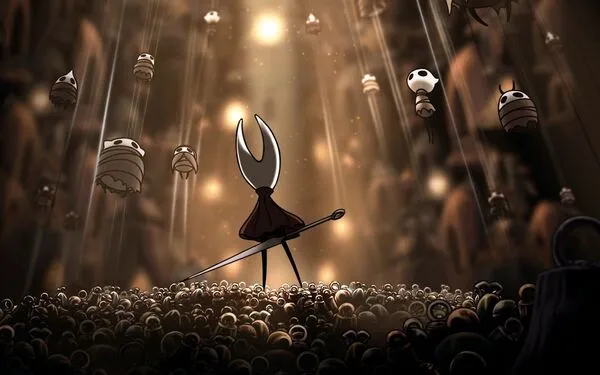
If early players quit because it’s too hard, the game loses potential fans.
9.2 Streamer & Community Influence
Hard early-game sections amplify difficulty perception online.
This can create a narrative that Silksong is “too hard,” even if mid-game becomes manageable.
- Potential Solutions Team Cherry Could Implement
- Several solutions could soften the difficulty curve without altering Hornet’s identity.
10.1 Mobility Tutorial Zone
A short introduction area teaching:
– Air control
– Wall movement
– Thread management
– Vertical combat spacing
10.2 Slow Early Enemies With Vertical Variety
Enemies that move slowly, but still use vertical attacks.
This fits Silksong’s philosophy without overwhelming new players.
10.3 Thread Recovery Buff in Early Areas
More thread drops in the beginning would reduce frustration.
10.4 Optional Training Arenas
Practice rooms for aerial attacks or perfect-movement challenges could teach mechanics before punishment begins.