 html5funzone.com
7 Days to Die Review: Survive, Build, Craft, and Fight Against the Zombie Apocalypse
Introduction
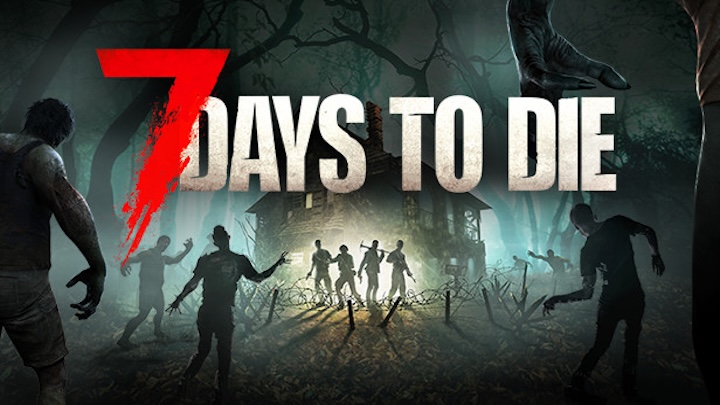
If you enjoy zombie survival games that challenge your creativity, resource management, and combat skills, 7 Days to Die is a title worth exploring. Developed by The Fun Pimps, this open-world survival game combines crafting, exploration, base building, role-playing elements, and intense zombie combat in one challenging experience.
Unlike many traditional zombie games, 7 Days to Die does not focus solely on eliminating enemies. Players must gather resources, find food and water, craft equipment, strengthen their shelters, and prepare for increasingly dangerous encounters. The biggest challenge comes every seven in-game days, when a Blood Moon event unleashes waves of zombies that actively hunt the player.
Whether you prefer exploring abandoned buildings, constructing impressive bases, or teaming up with friends, the game offers plenty of opportunities to develop your own survival strategy. In this review, we will explore its main features, gameplay mechanics, strengths, weaknesses, and useful tips to help you decide whether 7 Days to Die is worth playing.
1. What Is 7 Days to Die?
7 Days to Die is an open-world zombie survival game that combines several popular genres, including first-person action, crafting, tower defense, and role-playing. The game takes place in a post-apocalyptic world filled with abandoned settlements, dangerous creatures, and valuable resources.
Players begin with limited equipment and must gradually build their survival capabilities. Every decision matters, from choosing where to establish a base to deciding which resources should be collected first.
The game's central concept revolves around surviving the seven-day cycle. During ordinary days, players can explore, gather supplies, complete quests, and improve their equipment. When the Blood Moon arrives, they must defend themselves against large groups of aggressive zombies.
This combination of preparation and high-pressure combat gives the game a distinctive identity.
2. Open-World Exploration and Survival
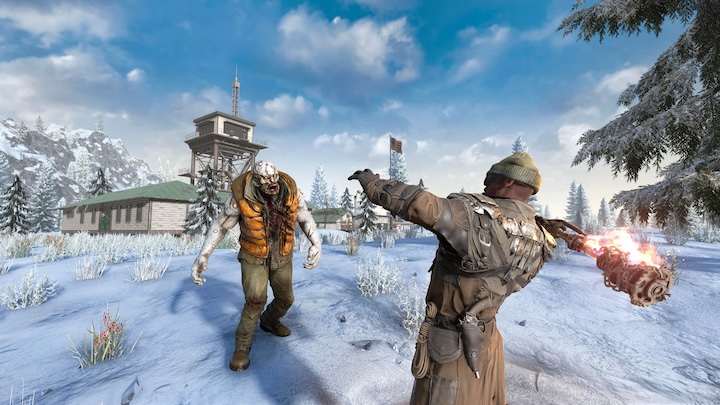
One of the most enjoyable aspects of 7 Days to Die is its open-world environment. Players can travel through different locations, including forests, deserts, snowy regions, towns, cities, and abandoned industrial areas.
Each environment presents different challenges and opportunities. Some locations provide useful natural resources, while others contain valuable loot hidden inside buildings, stores, and abandoned facilities.
Exploration is also dangerous. Zombies may appear unexpectedly, especially when players enter enclosed buildings or make too much noise. Searching a seemingly ordinary house can quickly turn into a fight for survival.
The world encourages players to explore carefully, pay attention to their surroundings, and balance the potential rewards of searching dangerous locations against the risk of losing valuable equipment.
3. Crafting and Resource Management
Crafting is one of the foundations of the 7 Days to Die experience. Players need to collect materials such as wood, stone, metal, plant fibers, and other useful resources to create tools, weapons, building components, and survival equipment.
At the beginning, basic tools and simple weapons are essential. As players progress, they can unlock more advanced crafting possibilities and improve their ability to survive.
Resource management is equally important. Carrying too many unnecessary items can limit the amount of valuable loot players can collect during exploration. Food, water, ammunition, medical supplies, and construction materials all compete for inventory space.
Learning what to keep, what to use, and what to leave behind makes a significant difference, particularly during the early stages of the game.
4. Base Building and Defense Strategies
Building a secure shelter is essential for long-term survival. Players can construct bases using different materials and design defensive structures that help protect them from zombie attacks.
A basic shelter may be enough during the first few days, but stronger defenses become increasingly important as the game progresses.
Players can build walls, reinforced doors, elevated platforms, traps, and other defensive elements. The layout of a base can determine how effectively zombies approach and attack it.
However, simply building a large structure does not guarantee safety. Players need to consider structural durability, access points, escape routes, and the possibility of enemies damaging important sections.
Experimenting with different base designs is part of the fun. Some players prefer compact fortifications, while others create elaborate defensive systems designed to survive repeated Blood Moon attacks.
5. The Blood Moon Horde: The Biggest Challenge
The Blood Moon event is one of the defining features of 7 Days to Die. Every seven in-game days, a special night brings increasingly dangerous zombie attacks.
During this event, zombies become highly aggressive and actively search for players. They can attack buildings, damage defensive structures, and overwhelm poorly prepared survivors.
The approaching Blood Moon creates a constant sense of urgency. Players must decide whether to spend their time gathering resources, improving weapons, repairing their base, or preparing additional defensive equipment.
This mechanic gives the game a natural progression system. Each week becomes an opportunity to improve, but also introduces a new survival challenge.
The best strategy is to prepare early rather than wait until the final night. A well-designed base, sufficient ammunition, reliable weapons, and a backup escape plan can make the difference between surviving and losing valuable resources.
6. Weapons, Combat, and Zombie Variety
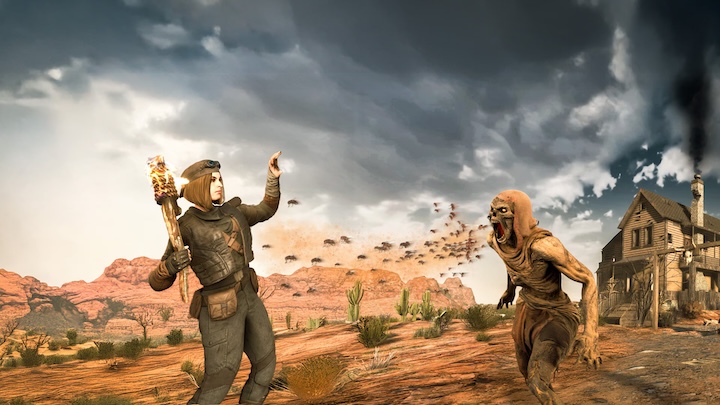
Combat in 7 Days to Die offers a mixture of melee and ranged options. Players can use simple tools, close-range weapons, firearms, and explosives to defend themselves against zombies.
Melee weapons are useful when ammunition is limited, but they require players to get dangerously close to enemies. Firearms provide more distance and stopping power, although ammunition may become difficult to obtain in the early game.
Different situations call for different approaches. Fighting a small group of zombies in an open area is very different from defending a narrow hallway or escaping a crowded building.
The zombie encounters also become more challenging as players progress. Some enemies are faster, tougher, or more dangerous than ordinary zombies, making it important to understand their behavior and avoid unnecessary fights.
Combat is not always about defeating every enemy. Sometimes escaping, repositioning, or conserving ammunition is the smartest survival decision.
7. Character Progression and Skill Development
7 Days to Die includes role-playing elements that allow players to develop their characters over time. Experience gained through activities such as combat, exploration, crafting, and completing quests contributes to character progression.
Players can invest skill points in different attributes and abilities, shaping their characters around particular playstyles.
For example, some players may focus on improving combat effectiveness, while others prioritize crafting, resource gathering, or survival-related skills.
This progression system provides flexibility and encourages experimentation. A character specializing in firearms may approach dangerous locations differently from one focused on melee combat or construction.
Choosing skills carefully can make certain activities easier and help players become more efficient as the world becomes increasingly dangerous.
8. Multiplayer and Cooperative Survival
Although 7 Days to Die can be enjoyed alone, multiplayer adds another dimension to the survival experience.
Playing with friends allows players to divide responsibilities and work toward shared objectives. One person can gather resources while another focuses on construction, crafting, or exploring dangerous locations.
Cooperation is particularly valuable during Blood Moon events. Players can defend different sections of a base, share ammunition, repair damaged structures, and support teammates when situations become overwhelming.
Multiplayer also creates opportunities for more ambitious building projects. Instead of managing every task independently, a group can develop a coordinated survival strategy.
However, teamwork requires communication and planning. Sharing resources, choosing a suitable base location, and agreeing on responsibilities can help prevent unnecessary problems.
9. Quests, Loot, and Replayability
Exploration is not the only way to make progress in 7 Days to Die. Players can also interact with traders and complete quests to earn rewards.
These activities provide additional objectives beyond ordinary survival. They encourage players to visit new locations, explore unfamiliar areas, and improve their equipment.
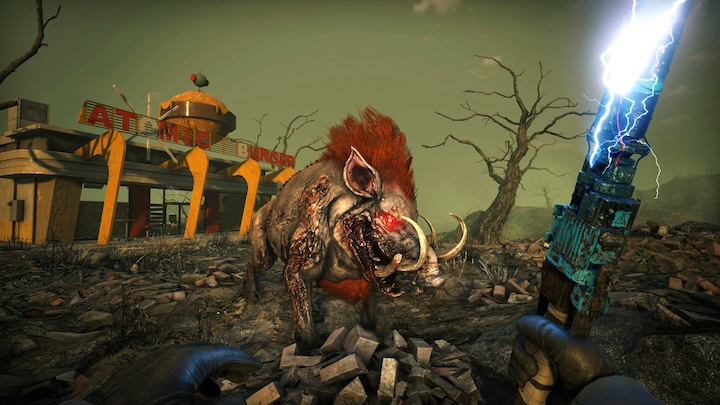
Loot is another important part of the experience. Abandoned buildings, storage areas, containers, and dangerous locations may contain useful supplies, weapons, tools, and crafting materials.
The excitement comes from balancing risk and reward. A difficult location may contain valuable equipment, but entering it without enough preparation can be a costly mistake.
Because players can experiment with different character builds, base designs, world settings, and multiplayer strategies, the game offers considerable replayability. Each new playthrough can develop into a different survival story.
10. Graphics, Sound, and Overall Performance
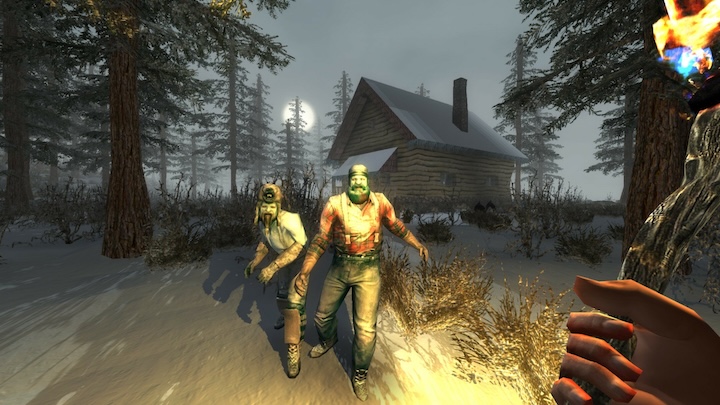
7 Days to Die uses a distinctive visual style that supports its post-apocalyptic setting. Its environments feature abandoned buildings, damaged roads, ruined settlements, and landscapes that communicate the feeling of a world struggling to survive.
The atmosphere is strengthened by environmental sounds, zombie noises, and combat effects. These audio elements help create tension, particularly when exploring dark buildings or preparing for a Blood Moon attack.
The visual presentation focuses more on atmosphere and gameplay functionality than cinematic realism. Players who enjoy detailed environmental exploration and sandbox construction may find plenty to appreciate.
Performance and visual quality can vary depending on hardware, settings, platform, and game updates. Players should consider their system requirements before purchasing, especially if they intend to play with larger worlds or multiplayer groups.
Tips for Beginners in 7 Days to Die
Starting a new game can be challenging, especially when players are unfamiliar with the survival systems. These practical tips can make the early experience easier:
- Complete the initial tutorial tasks: Learn the basic mechanics and obtain useful starting rewards.
- Collect essential resources: Wood, stone, plant fibers, food, and water are important during the early stages.
- Find a temporary shelter: Having a safe place to store supplies and recover is better than wandering without a plan.
- Avoid unnecessary combat: Fighting every zombie can waste health, stamina, and valuable resources.
- Prepare for the first Blood Moon: Do not wait until the final day to build and reinforce your defenses.
- Manage your inventory: Keep essential equipment and leave enough space for valuable loot.
- Upgrade your skills strategically: Focus on abilities that support your preferred survival style.
- Explore carefully: Check buildings and surrounding areas before entering potentially dangerous locations.
Common Mistakes to Avoid
New players often make avoidable mistakes that can make survival much harder than necessary.
One common mistake is ignoring food and water management. Players who focus entirely on combat and exploration may find themselves struggling with basic survival needs.
Another mistake is building a weak base and assuming it will survive the Blood Moon. Defensive structures need to be planned, reinforced, and maintained.
Players should also avoid carrying unnecessary items. Limited inventory space means that poor organization can prevent them from collecting more valuable supplies.
Finally, fighting too many zombies without a clear strategy can quickly lead to injuries or death. Knowing when to fight and when to retreat is an important survival skill.
Conclusion: Is 7 Days to Die Worth Playing?
7 Days to Die delivers an engaging zombie survival experience by combining open-world exploration, crafting, resource management, character progression, base building, and challenging combat.
Its seven-day Blood Moon cycle creates a compelling gameplay loop that constantly encourages players to prepare, improve their equipment, and strengthen their defenses. The freedom to design bases, develop different character builds, and cooperate with friends also gives the game plenty of replay value.
However, its survival systems can feel demanding for newcomers, and players who prefer straightforward action may find the resource management and preparation mechanics less appealing.
Overall, 7 Days to Die is a strong choice for players who enjoy challenging sandbox survival games and want an experience where every day brings new opportunities and dangers. Whether you survive alone or work together with friends, the journey is all about adapting, building, and staying alive for another seven days.