 html5funzone.com
The Climb Back Home in Little Kitty, Big City: Understanding Fish and Climbing Stamina
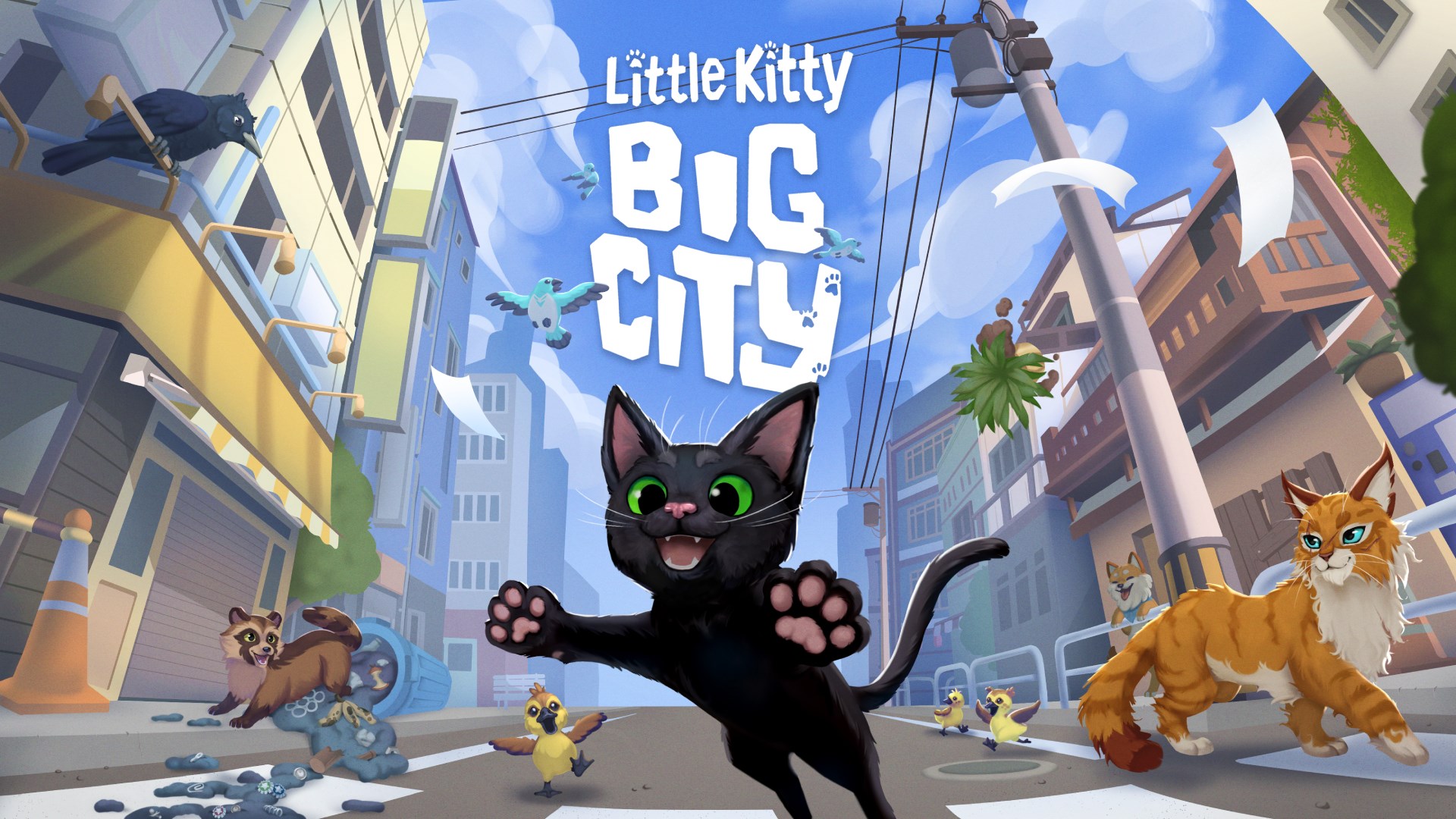

Little Kitty, Big City gives its small black cat a deceptively simple problem: after tumbling from a high apartment window, find a way back home. The challenge is not simply locating the building. Kitty must explore a neighborhood, learn to climb for longer, and gather enough fish to make the final ascent possible. That makes the fish more than a collection of snacks. They are the key to a specific progression puzzle: how to turn city exploration into the climbing stamina needed to reach home.
This article looks closely at that puzzle, from the first meeting with Crow to the last climb. It explains why players can feel stuck even when the route seems visible, how to treat the fish as progression milestones, and how to make exploration serve the return journey without turning the game into a rigid checklist. The official description presents getting home and exploring as competing priorities, while the game’s climb-and-fish progression gives those two activities a practical connection.
1. The Real Obstacle Is Not Finding the Building
Early in the adventure, Kitty’s home is a clear destination, but seeing where you want to go does not mean you can reach it. The city separates the cat from the apartment with walls, ledges, alleys, climbable surfaces, and stretches that require more stamina than Kitty initially has. The challenge is therefore one of capability as well as navigation. You can recognize the direction of home and still need to explore elsewhere before the climb is practical.
This distinction helps make sense of the game’s structure. The main objective is not a single uninterrupted journey upward. It is a loop: explore the reachable streets, discover a way to climb farther, then use that increased capacity to reach places that were previously out of range. Guides to the main route describe finding four fish, each of which increases climbing stamina, as the preparation for returning to the apartment
2. Learning What Climbing Stamina Actually Controls
Climbing becomes possible when Kitty reaches climbable ivy, but being able to grab onto a surface is different from being able to scale a long route. Kitty can leap upward while climbing, and those upward movements drain stamina more quickly. That means a player can begin a climb successfully and still run out before reaching the next safe place. The first lesson is to see stamina as a limit on continuous climbing, not as a general measure of how long Kitty can explore.
This explains why an early failed ascent can feel confusing. The route may look climbable, and Kitty may make visible progress before dropping or stopping. That does not necessarily mean the player missed a hidden route. It may mean the cat has not yet eaten enough fish to extend the climbing meter. Each fish increases climbing stamina, so the intended response to a climb that is too long is often to explore for another fish rather than repeatedly attempt the same wall.
3. Crow Turns Exploration into Progress
One early step toward the first fish involves Crow and a request for Shinies. This introduces an important distinction: not every fish is simply waiting in the open for Kitty to eat. Some progression is tied to interacting with the city and its residents. For the first fish, walkthroughs describe collecting and bringing Shinies to Crow, who then provides the fish that unlocks the climbing ability. The exchange is a small quest, but its function is much larger than a simple trade.
The useful strategy is to treat Crow’s request as a prompt to look around rather than as a signal to abandon exploration until a checklist is complete. Shinies encourage you to investigate the neighborhood, while Kitty’s everyday mischief and interactions reveal that the environment is designed to be explored. But do keep the purpose in mind: this first fish is not just another reward. It opens the way to climb, which in turn makes new routes and areas accessible. A task that seems like a detour is actually part of the vertical progression system.
4. The First Fish Changes What the City Means
Before Kitty gains climbing stamina, walls and rooftops can look like scenery placed just out of reach. After the first fish, climbable ivy becomes a practical route rather than a visual hint. This changes how you read the neighborhood. A ledge that once marked the edge of your path may now connect to a new part of the map. The fish does not instantly make every climb possible, but it changes exploration from mostly ground-level wandering into a search for vertical opportunities.
That change can also create a false expectation: “I can climb now, so I should be able to get home.” The first fish grants the ability to climb, but the full return journey calls for more capacity. If a vine continues beyond the point Kitty can reach, stop and read the failed climb as information. You have found a route that matters, but it may be a route to revisit later. The fish progression is staged, so early access is an invitation to explore, not proof that the final ascent is already within reach
5. The Second Fish Tests Your Route Reading
The second fish is associated with the fisherman’s area. Rather than treating it as a waypoint to rush toward, think of the problem as one of access and timing: Kitty must reach the fish and take the opportunity to eat it. Guides describe stealing the fisherman’s prize as one of the steps in the homeward progression. This is a good example of how the game makes its central upgrade feel integrated into the world. The fish belongs to a place and situation, rather than appearing as an abstract upgrade token.
After eating it, take a moment to reassess the city rather than assuming you should immediately head for the apartment. Your increased stamina can make previously impractical climbs more manageable and reveal new connections between areas. A common source of wasted effort is repeatedly testing the tallest-looking wall, even though the new capacity may be better used to reach the next fish or open a more convenient route. Progress is not just a longer stamina bar; it is a changed set of places Kitty can reach.
6. The Third Fish Rewards Patience Around a Protected Area
The third fish is found on a rooftop where a gardener and hose complicate access. That makes the problem different from simply identifying a climbable surface. Kitty has to reach a valuable spot while dealing with an obstacle that can interrupt the approach. Guides to the main quest describe this rooftop fish as guarded by a hose-wielding gardener. In practical terms, the fish asks you to observe the space, understand what is blocking the route, and avoid treating a direct approach as the only option.
The lesson is patience, not a universal trick. Look at the platforms, climbable surfaces, and possible approaches around the rooftop. If one route keeps exposing Kitty to the obstacle, consider whether you can approach from another side or use a safer moment to move. Do not spend repeated attempts on a path that has already shown itself to be unreliable. Since this fish increases the capacity needed for the eventual climb, the effort has a clear payoff—but reaching it is still a small navigation puzzle that rewards looking before leaping.
7. The Fourth Fish Completes the Stamina Preparation
The fourth fish is described in walkthroughs as being in the large convenience store in the southern part of the map. By this point, players may have enough stamina to reach places that were once inaccessible, but the store fish remains important because the full set of four is tied to the final climb home. The route there also demonstrates how the city’s ordinary-looking spaces can hold key progression. A shop is not merely background; it can be part of the solution to the apartment problem.
Once the fourth fish is eaten, pause and check that you have actually collected the full set before starting the most ambitious ascent. It is easy to remember a dramatic climb you attempted and forget whether you completed the fish that was meant to prepare you for it. The practical test is not whether the apartment looks close, but whether Kitty has the stamina upgrade the route requires. Treat the fish count as a readiness check, not as an optional completionist target. The standard walkthrough route identifies all four fish as the preparation for climbing back to the home.
8. Why the Final Climb Can Still Go Wrong
Having all four fish does not make the ascent automatic. It gives Kitty the climbing stamina needed to attempt the return route, but the player still needs to perform the climb. Upward leaps consume stamina faster than simply being attached to the ivy, so rushing continuously can leave Kitty short near a ledge. The difference between “the upgrade is complete” and “the climb is completed” is the final execution: choose the climbable route, keep moving with purpose, and watch how much stamina remains as you approach transitions
If Kitty falls short, resist the urge to conclude that a fish is missing without checking. First ask whether the climb used repeated upward leaps, whether the route included a pause or detour, and whether Kitty was following the intended ivy and platform sequence. A failed attempt may be about technique or route reading rather than progression. At the same time, if the stamina meter seems insufficient for the required section, revisit the fish checklist. Separating these two possibilities—missing capacity versus inefficient climbing—keeps troubleshooting focused instead of turning the final climb into guesswork.
9. Keep Optional Exploration from Hiding the Main Goal
The game deliberately encourages distractions: animal friends, quests, hats, Shinies, and chances to cause harmless chaos. Its official description explicitly frames exploration as something Kitty may choose to do before heading home. That freedom is part of the appeal, but it can make players lose track of the difference between the homeward progression and optional discoveries. For the fish-and-climb puzzle, the key question is simple: does this activity help Kitty reach a fish, unlock a route, or simply satisfy curiosity? All three can be worthwhile, but they are not the same kind of progress.
A balanced approach is to use optional activities as natural breaks between progression goals. Help an animal or search for a hat when the route takes you nearby, but if your current obstacle is a climb that exceeds Kitty’s stamina, prioritize finding the next fish. This avoids two extremes: rushing past the city’s charm as if every side activity were wasted time, and wandering indefinitely while wondering why the homeward route still feels impossible. Exploration is not a distraction from the game’s design; it is part of the design. The trick is knowing when you are exploring for fun and when you are searching for a specific upgrade.
10. A Reliable Method for Finishing the Climb
A practical approach to the homeward challenge is to move through four stages. First, learn the basic climb and complete Crow’s Shiny exchange to obtain the first fish. Second, use the new ability to reach the fisherman’s fish. Third, explore toward the rooftop fish near the gardener and the fish in the southern convenience store. Finally, once all four have been eaten, return to the ivy route and climb toward the apartment. This order follows the progression described in published walkthroughs without requiring you to ignore the rest of the city.
The most important habit is to diagnose each obstacle accurately. If Kitty cannot start climbing, look for the relevant ability and first fish progression. If Kitty can climb but runs out before reaching the top, consider whether more fish are needed. If the full stamina upgrade is in place but the ascent still fails, focus on the route and the stamina cost of repeated leaps. The climb home then becomes a sequence of understandable problems rather than one frustrating wall. The game’s design links curiosity to capability: explore, eat fish, climb farther, and use that new reach to return to the place where the adventure began.

Conclusion
The fish in Little Kitty, Big City solve a very specific problem: Kitty needs more climbing stamina to scale the route back to the apartment. The first fish opens up climbing, while the remaining fish extend how long Kitty can keep climbing. Crow’s Shiny exchange, the fisherman’s area, the gardener’s rooftop, and the southern convenience store turn that upgrade into a citywide exploration goal. The final ascent still asks for careful movement, so collecting all four fish is preparation rather than an automatic finish.
When the climb feels impossible, separate the issue into three questions: has Kitty eaten all the fish, is the chosen route reachable with the current stamina, and is the player spending stamina efficiently? Answering those questions makes the homeward journey much easier to understand. More importantly, it shows how the game connects its cozy detours to its central challenge: exploring the city is how Kitty earns the ability to climb back home.